


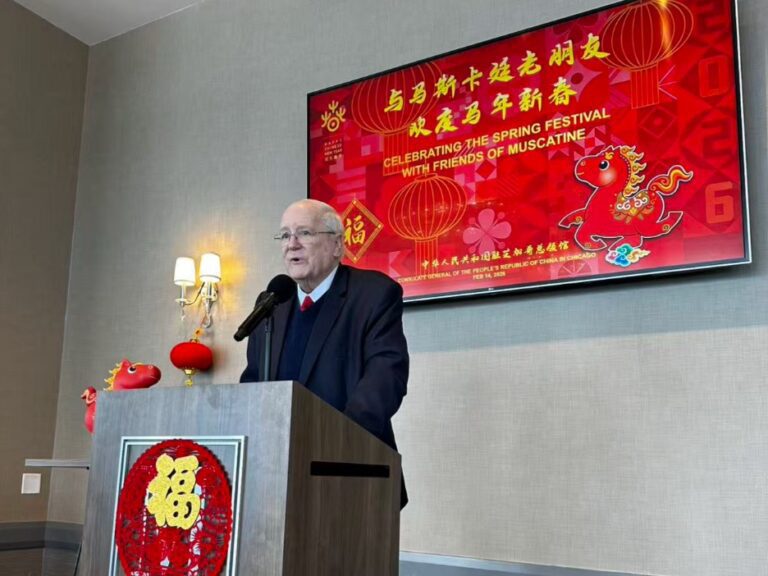
AT AN EVENT IN MUSCATINE, RECALLING THE VISIT TO IOWA BY VICE PRESIDENT XI JINPING ON FEBRUARY 15 – 16, 2012 &
ARTWORK AT THE WORLD FOOD PRIZE HALL OF LAUREATES IN DES MOINES HIGHLIGHTING THE LEGACY OF CITIZEN DIPLOMACY &
FROM AVERTING NUCLEAR WAR WITH THE SOVIET UNION IN 1959; TO PROMOTING U.S.- CHINA “PEACE THROUGH AGRICULTURE”
by Ambassador Kenneth M. Quinn
Strategic Advisor, U.S. Heartland China Association
President Emeritus, The World Food Prize Foundation
Founding Co-Chairman, World AgriFood Innovation Conference
STORY NUMBER ONE
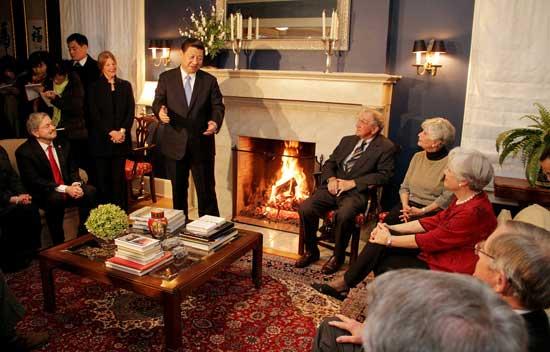
I was greatly honored to be a special guest at the luncheon in Muscatine, Iowa on February 14 hosted by Chinese Consul General Wang Baodong to celebrate the 2026 Spring Festival. That Valentine’s Day event featured Sarah Lande, whom I identified as Iowa’s “Queen of Citizen Diplomacy” for her role both in welcoming young Xi Jinping in 1985, and again hosting Vice President Xi in her home in 2012.
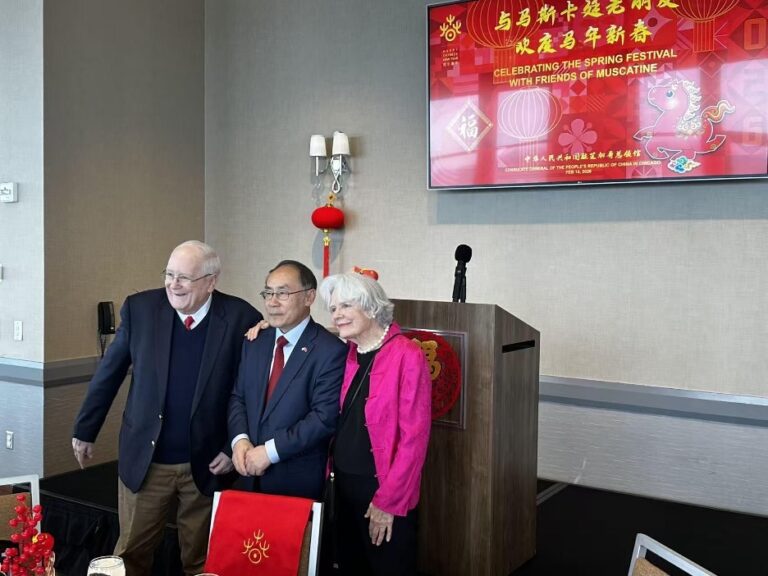
There were also 96 Chinese students from a Beijing high school for music and the arts, whose magical performances lent a “festive” air to the gathering, while demonstrating the positive impact of President Xi Jinping’s initiative to promote Sino-American understanding through youth exchanges.
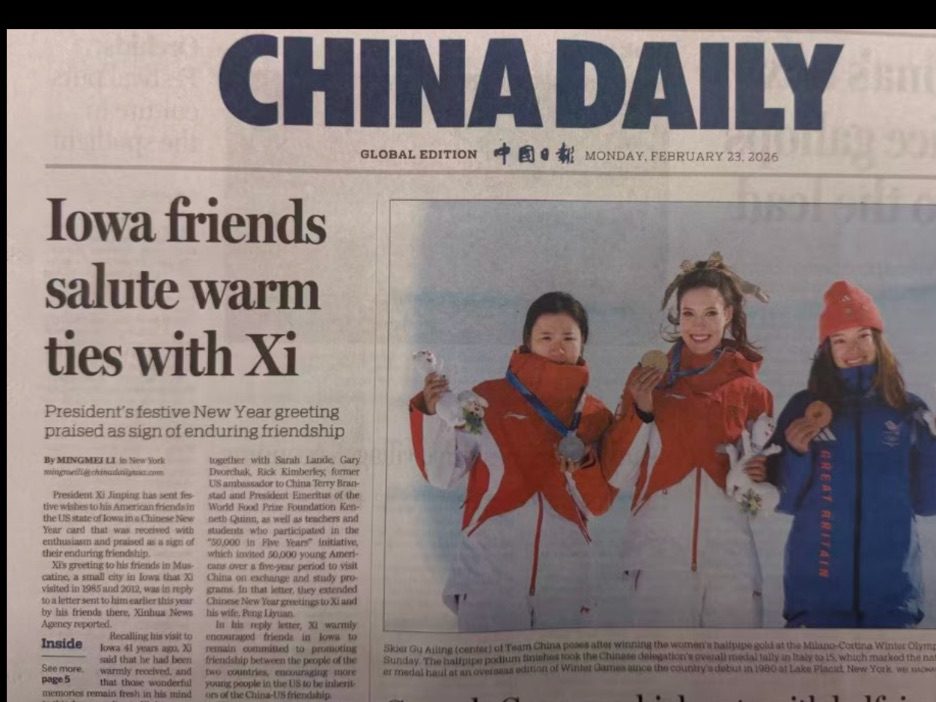
President Xi further emphasized the importance he attaches to such programs in his response to Spring Festival greetings he received from “Iowa old friends” as reported in the press.
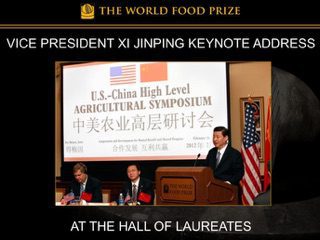
In my remarks at the Muscatine gathering, I observed that the following two days leading up to the start of the Year of the Horse on February 17, were particularly auspicious in that they represented the anniversary of then Vice President Xi Jinping’s February 15, 2012 visit to Sarah Lande’s home in Muscatine; and his February 16 participation in the U.S. – China High Level Agricultural Symposium that I had the privilege to host at the World Food Prize Hall of Laureates in Des Moines.
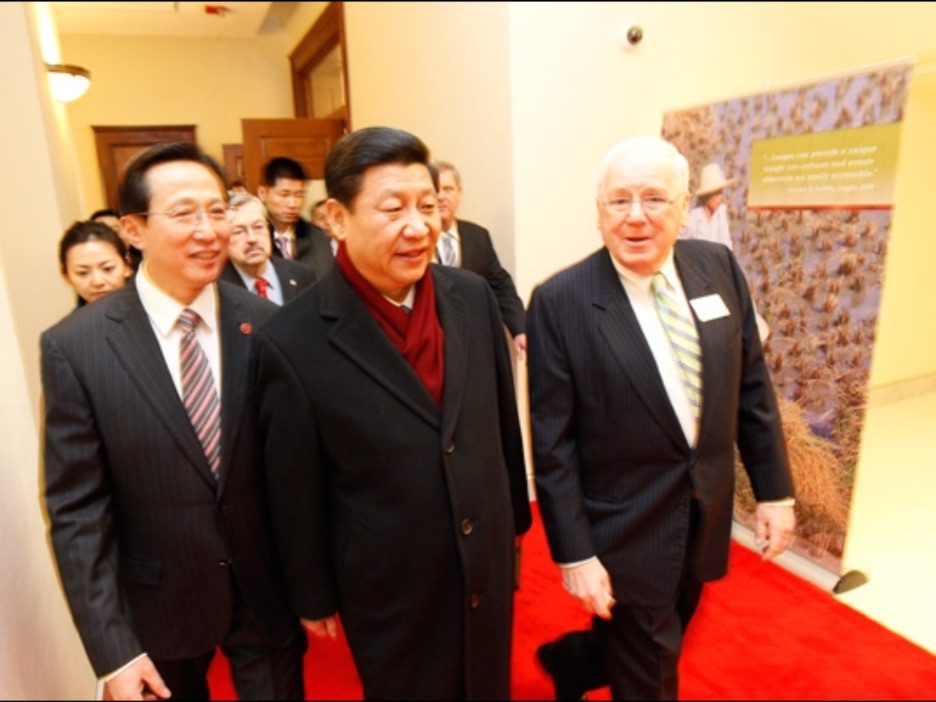
I told the luncheon guests that as I escorted Vice President Xi into our building in 2012, I recounted to him how in 1980 I had escorted his father, Governor Xi Zhongxun, around Iowa during the first ever exchange visit surrounding agriculture following China and the United States establishing diplomatic relations.
Following that initial exchange, I continued, I worked to have Iowa and Hebei Province become sister states / provinces. That relationship led to 31 year old Xi Jinping coming to Iowa and his warm welcome in Muscatine in 1985.
Since that first visit by Governor Xi in 1980, over the next 46 years, China and America have been at peace – – thanks in significant part to our cooperation through agriculture. The high point of that achievement, I stressed, was Vice President Xi’s return to Iowa in 2012 that included four highlights:
- Sarah Lande’s Citizen Diplomacy on display in warmly hosting Vice President Xi at her home in Muscatine,
- Iowa Governor Terry Branstad hosting a “state dinner” at the Iowa state Capitol in honor of Vice President Xi;
- President Xi delivering the keynote address at that U.S. – China High Level Agricultural Symposium; and
- Secretary of Agriculture Tom Vilsack, who hosted the Symposium, also signing Strategic Cooperation in Agriculture Agreement with his Chinese counterpart Minister Han Chanfu.
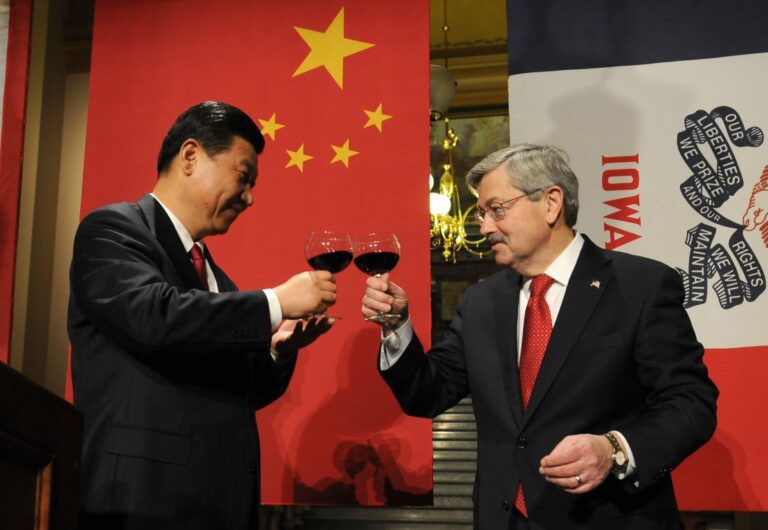
Those events in Iowa over that two day period of February 15-16, of 2012, were one of the highest points of the U.S.-China bilateral relationship since Deng Xiaoping’s visit to America in 1979 following the establishment of diplomatic relations.
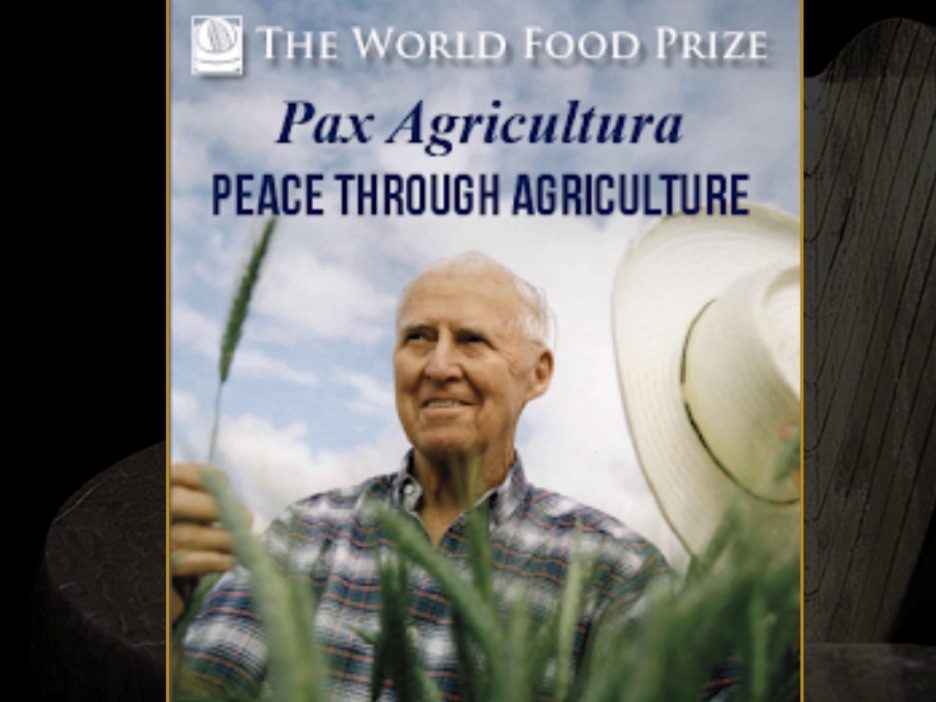
I refer to this process of combining sub-national agricultural exchanges with Citizen Diplomacy as “Peace Through Agriculture” I endeavored to promote that concept in my role as President of the World Food Prize, including having the theme of my final Borlaug Dialogue Symposium in 2019 as Pax Agricultura.
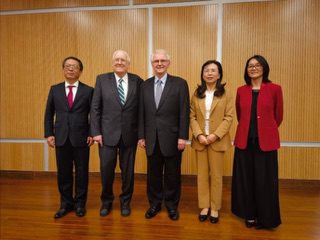
Since then, I have been honored to join with Governor Bob Holden, Executive Director Min Fan and the dynamic team of the U.S. Heartland China Association in another significant Citizen Diplomacy initiative promoting critical agricultural exchanges through USHCA Agricultural Roundtables.
The legacy of Citizen Diplomacy from the American Heartland is actually a fascinating second story that goes back over a century and is one I endeavored to tell as part of the $29.8 million historic restoration of the former Des Moines Public Library building which we transformed into the Dr. Norman E. Borlaug World Food Prize Hall of Laureates.
STORY NUMBER TWO
A TOUR OF THE ARTWORK AT THE WORLD FOOD PRIZE HALL OF LAUREATES IN DES MOINES THAT HIGHLIGHT A CENTURY OF CITIZEN DIPLOMACY AND PEACE THROUGH AGRICULTURE
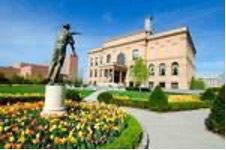
Peace Through Agriculture and Citizen Diplomacy is also the theme of a special gallery in the Dr. Norman E. Borlaug World Food Prize Hall of Laureates. It is filled with artworks I commissioned to tell the story of how Citizen Diplomacy and agricultural exchanges from Iowa and the Heartland have impacted America’s relationships around the world for over a century. I enjoy giving tours of the Iowa Gallery.
The centerpiece that dominates as visitors enter the Iowa Gallery is titled the Pantheon of Iowa’s Humanitarian Heroes by Gary Kelly of Cedar Falls, Iowa.
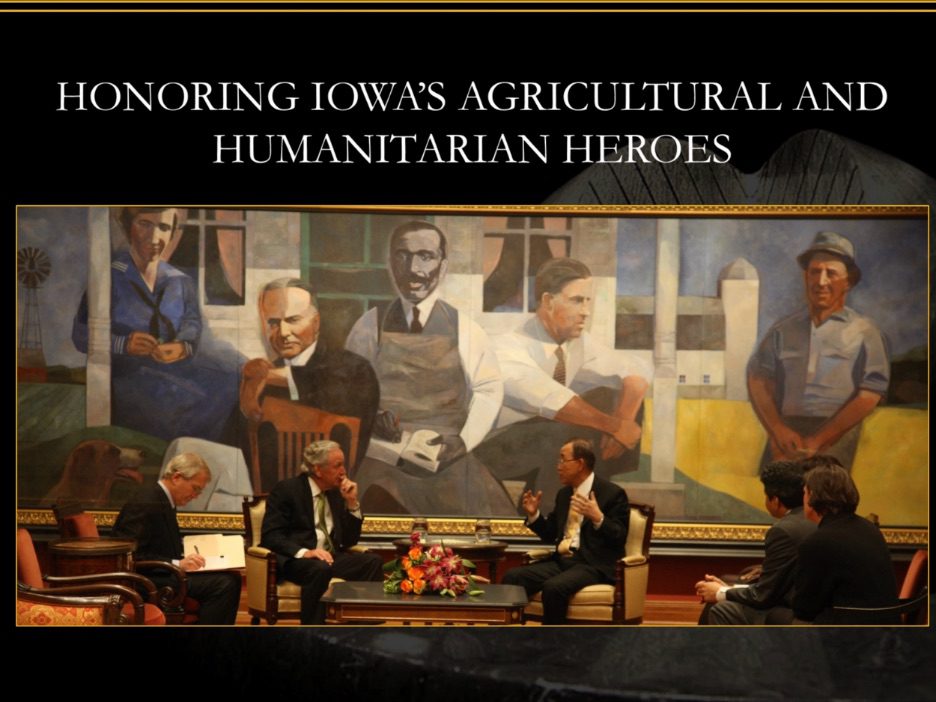
The painting depicts four of Iowa’s greatest figures seated on the front porch of Dr. Borlaug’s boyhood home near Cresco, Iowa: Jessie Field Shambaugh, the “Mother of 4-H;” President Herbert Hoover; Professor George Washington Carver; and Henry A. Wallace, Secretary of Agriculture and VicePresident of the U.S. are gathered under Dr. Borlaug’s watchful eye. In this photo Iowa Senator Tom Harkin is meeting with United Nations Secretary-General Ban Ki-moon.
In giving a tour of the other works of art I commissioned in the Iowa Gallery, I invariably begin with an oil on canvas painting by Thomas Agran of Cedar Rapids designed to tell the story of: Soviet Premier Nikita Khrushchev’s visit to a farm in Coon Rapids, Iowa on September 23, 1959, at what was “the most dangerous moment in all human history,” when Soviet and American nuclear missiles were poised to be fired.
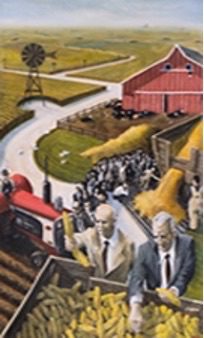
The focal centerpiece of the painting is an image taken from an iconic photo of Premier Khrushchev and his host Roswell Garst standing at the corn crib. The Russian leader is holding an ear of Iowa corn and is asking “Why can’t I have corn like this in the Soviet Union?”
Over the next four decades, Garst sent his nephew John Chrystal as an informal ambassador of agriculture to the Soviet Union, making numerous trips and contributing to further easing of tensions between the two superpowers. I recall meeting John in Moscow in 1991 as he was coming out of the U.S. Embassy.
I tell visitors that at that most dangerous moment, that visit by Khrushchev to western Iowa demonstrated that there could be room for some mutual understanding in the Soviet-American relationship, thus helping ease tensions and providing an opportunity to turn away from conflict.
In the end, those nuclear missiles were never fired. Heartland Citizen Diplomacy played a role in that outcome.
I was so taken with the impressive array of other instances of Citizen Diplomacy impacting global peace and stability, that I commissioned an array of other artworks to convey this historic heartland humanitarian heritage to visitors touring our century old edifice. Among those stories that are memorialized through art are:
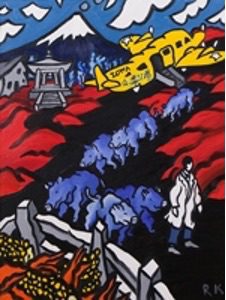
– – The Iowa Hog Lift, which was an urgent relief effort in 1959 organized by the Iowa Pork Producers and Iowa Corn Growers following the devastation of animal agriculture in Yamanashi Prefecture in Japan, where Mt. Fuji is located. This resulted from two typhoons that decimated the local hog herds.
Arrangements were made for the “hog lift” of 36 Iowa hogs across the Pacific on a U.S. Air Force plane. A significant amount of Iowa corn was contributed in order to feed the hogs while en route. In return for this generous gesture, the Yamanashi Prefecture presented a large traditional Japanese hanging bell to the State of Iowa, which is housed on the grounds of the Iowa State Capitol, and incorporated in this painting by Richard Kelley of Des Moines.
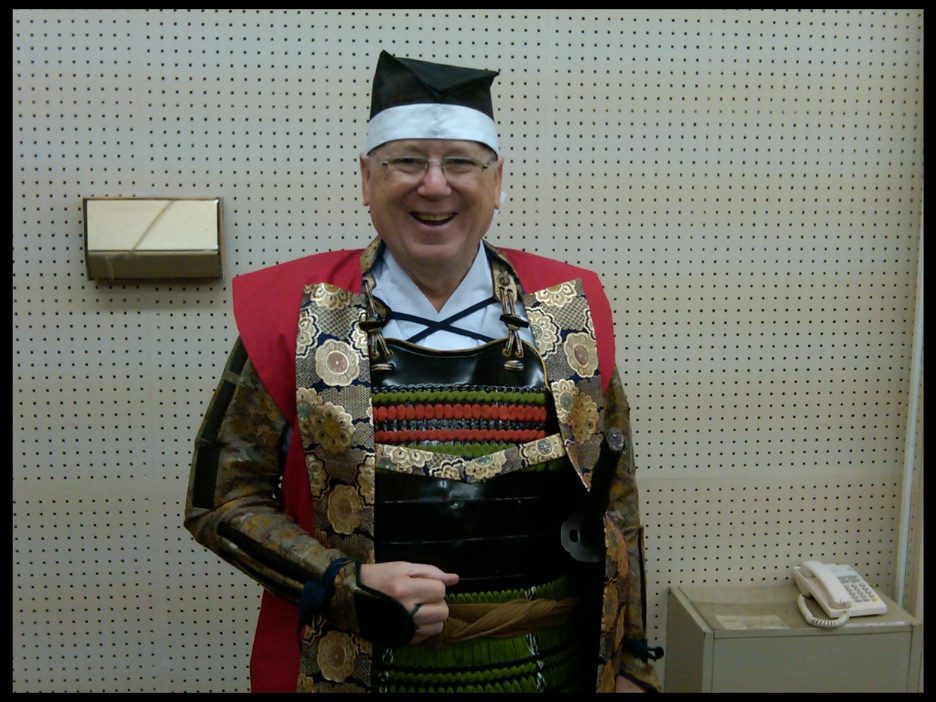
Fifteen years after the end of World War II, this 1959 humanitarian Citizen Diplomacy initiative significantly helped consolidate friendly post-war relations that still resonate in 2026 through a sister-state relationship. I even took part as an Iowa samurai in a parade in Kofu City.
– – The role that Professor George Washington Carver, Iowa State University’s first ever student of color, played in aiding Mahatma Gandhi attain India independence, so fascinated me that I commissioned a painting depicting Carver exchanging letters with Gandhi between 1929 and 1935. In them, Carver is providing advice to Gandhi regarding how to enhance his vegetarian diet so that he could be strong enough for the long struggle to end British colonial rule.
Carver’s is one of the most inspiring stories in Iowa history. Born into slavery in Missouri toward the end of the Civil War, once emancipated he eventually found his way to the Bridges of Madison County and then to Simpson College and eventually to Ames and Iowa State University.
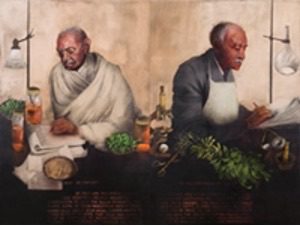
Carver is featured in a painting by Mary Kline-Misol of Des Moines, titled “Gandhi-Carver Diptych.” After graduation with his Masters from Iowa State in 1896, Carver was called by Booker T. Washington to teach at Tuskegee Institute in Alabama, where he remained until his death in 1943.
During my tour, I tell visitors that it should be a matter of considerable pride that 100 years ago, an individual from the American Heartland played a small but not insignificant role in over one billion people living in freedom and democracy in 2026.
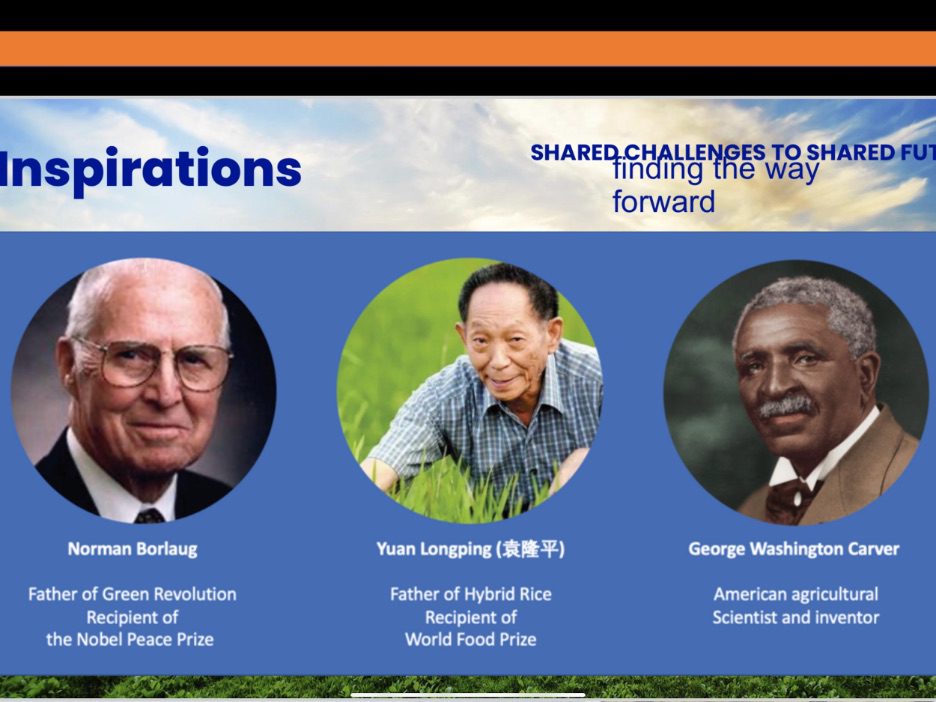
Professor Carver along with Dr. Norman Borlaug and World Food Prize Recipient Professor Yuan Longping, served as the inspiration for the highly impactful U.S.-China Agricultural Roundtables that I assisted USHCA Chairman Governor Bob Holden and Executive Director Min Fan organize between 2021 and 2023. Included was a highly impactful in-person hybrid event in the Hall of Laureates that featured the Chinese Ambassador to the U.S. and two American envoys, including former Iowa governor and Ambassador to China, Terry Branstad
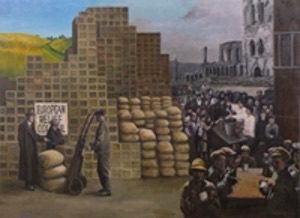
– – Herbert Hoover, Arguably America’s Greatest Humanitarian, with a unique connection to China.
While he came to be seen as a failed president of the United States during the Depression, Hoover, who was born in West Branch, Iowa, saved hundreds of millions from starvation after World War I by taking food from the U.S. to Europe. The below painting I commissioned to highlight this achievement was executed by Peter Thompson of Cedar Rapids.
Interestingly, young Hoover served as a mining consultant in Tianjin, China, where he and his wife Lou came in close contact with Chinese culture. They reportedly learned some Chinese and used it to discuss their guests at the White House. This story invariably fascinates Chinese visitors.
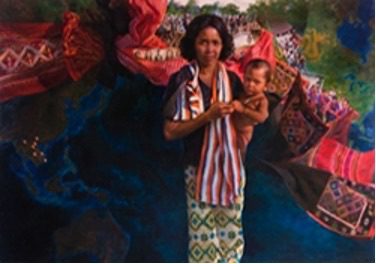
– – This painting titled Iowa SHARES by Rose Frantzen of Maquoketa commemorates The Global Moral Leadership of Iowa Governor Robert Ray who initiated the effort to rescue the Vietnamese “Boat People” refugees in the aftermath of the Indochina war. The painting also recounts the program he initiated to send life-saving food and medicine to Cambodian genocide victim in Thailand. I had the privilege to direct Iowa SHARES (Sends Help to Aid Refugees and End Starvation).
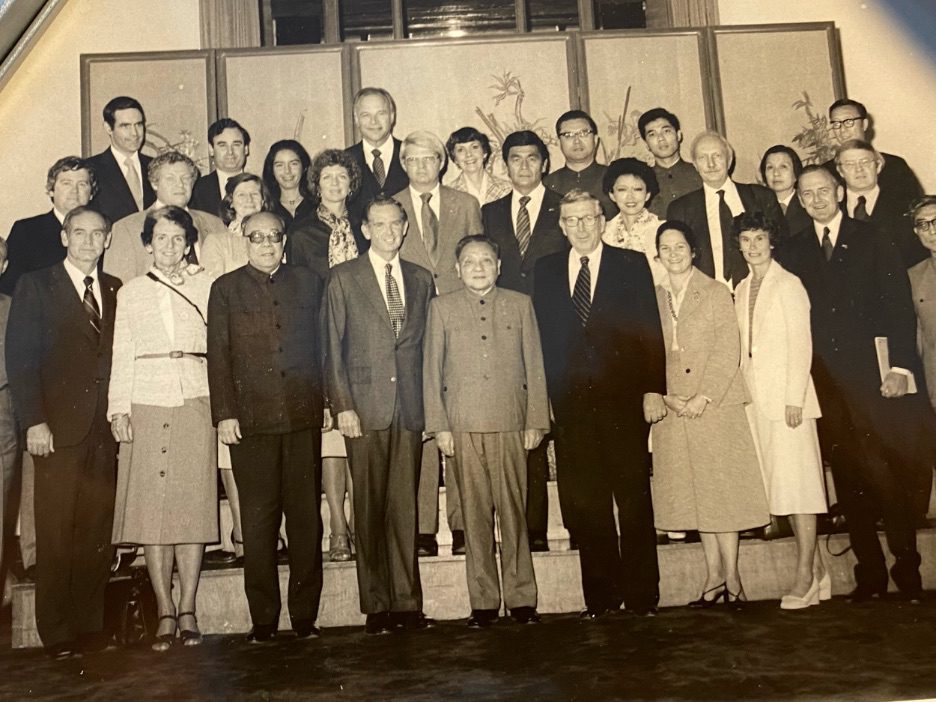
Governor Robert Ray along with Dr. Norman Borlaug were among the first American visitors to China when, in the early 1970s, the country began to open up to the West. I accompanied Governor Ray to China in October of 1979, during which I had the opportunity to meet Paramount Leader Deng Xiaoping and then observe Chinese agriculture firsthand.
As I am concluding my tour of the Iowa Gallery in the World Food Prize Hall of Laureates, I tell visitors that what all of these artworks emphasize is the Midwest legacy of Citizen Diplomacy combined with agricultural trade and exchanges, such as the 1985 visit by young Xi Jinping combined to build a 50 year legacy of building and maintaining Peace Through Agriculture.
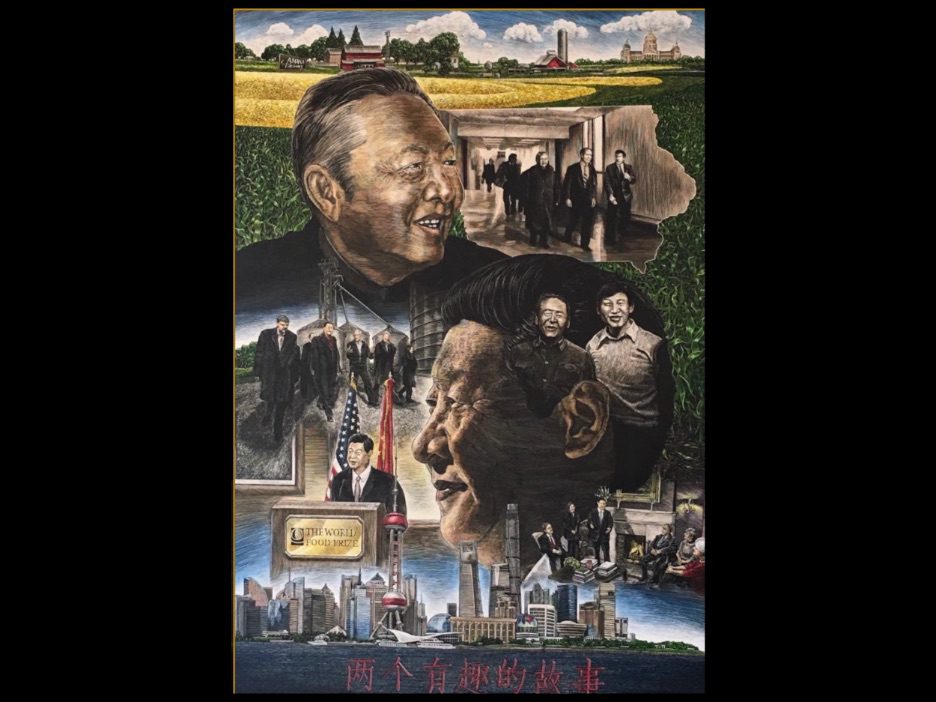
In that regard, I stress that perhaps the most important artwork in our collection is that by Clint Hansen commemorating the visits of Chinese president Xi Jinping in 1985, when he was a 31 year old county level Party Secretary from Hebei Province; and that of his father Governor Xi Zhongxun from Guangdong Province five years earlier in 1980. It is titled “Two Interesting Stories,” words which are written in Chinese characters at the very bottom of the artwork.
Those words – – “Two Interesting Stories” – – were spoken by then Vice President Xi Jinping himself on February 16, 2012 as I was escorting him into the Hall of Laureates to give the keynote address at the U.S. – China High Level Agricultural Symposium. Earlier, $3.5 billion in contracts for the export of Midwestern soybeans to China had been signed in the Hall.
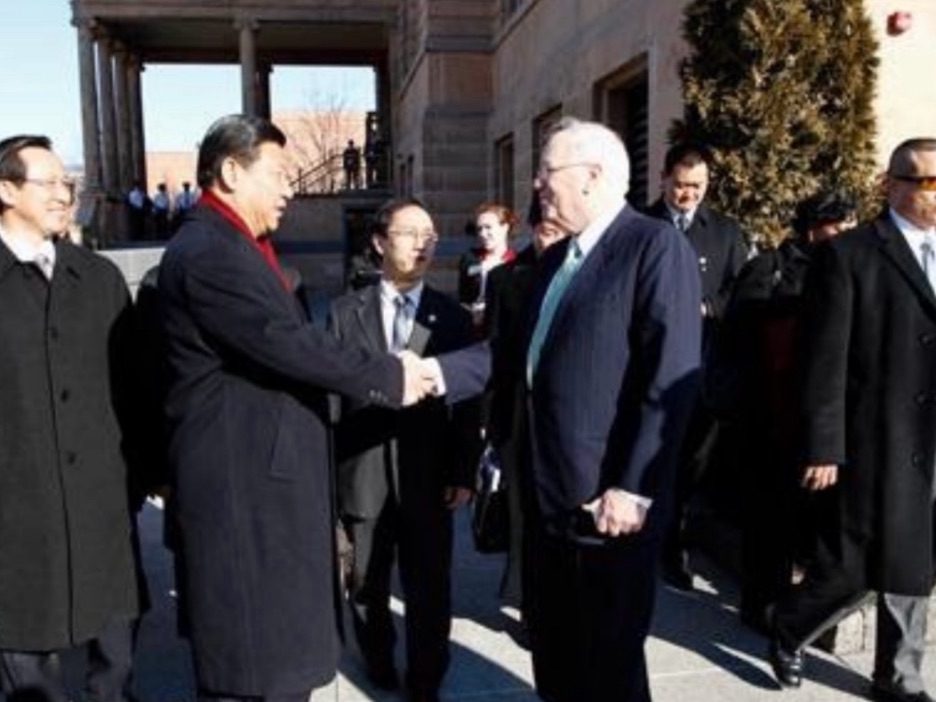
As we walked in, I said to President Xi that the story of his first visit to Iowa in 1985 as a 31 year old county level official from Hebei Province and now his return as Vice President in 2012 is so “interesting” that the World Food Prize would commemorate it by commissioning a painting in his honor. I then observed that I had just shaken his hand, adding that I was one of the very few Iowans who also shook the hand of his father, Governor Xi Zhongxun, when I escorted him around the state when he visited Iowa in 1980 as the head of the first delegation of Chinese provincial governors to visit America after diplomatic relations were established in January of 1979.
Visibly surprised and extremely pleased by this reference to his father, President Xi smiled and remarked in Chinese that I had “two interesting stories” to tell.
PRESIDENT XI JINPING’S HISTORIC ADDRESS IN SAN FRANCISCO ON NOVEMBER 15, 2023
The impact of those first two interesting stories and Iowa’s sub-national “Citizen Diplomacy “was on full display at the November 15, 2023 dinner in San Francisco that featured a keynote address by President Xi Jinping, which drew over 600 of the nation’s most prominent business leaders.
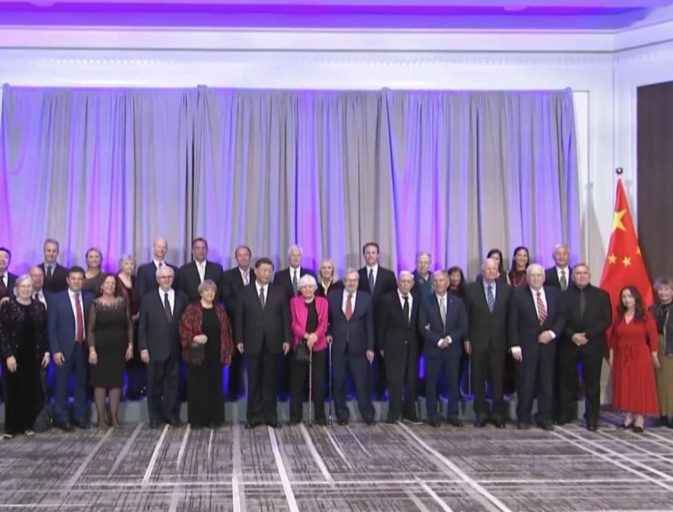
In the audience were also 30 very special American guests who had been invited as “Old Friends of President Xi Jinping.” USHCA Chairman Governor Bob Holden and I were in that group, as were Sarah Lande and Ambassador Terry Branstad. Min Fan was also present, having earlier taken part in a separate meeting with President Xi. Our group had a private audience with President Xi prior to his speech. When I spoke with President Xi, I reminded him of my role with his father.
In the beginning of his remarks to the guests at dinner, President Xi discussed the friendships he made in Iowa in 1985, mentioning Gov. Robert Ray by name, noting his early visit to China in the 1970s. The President then observed that there are significant problems affecting the globe and stressed the importance China attaches to finding “win-win” Sino-American solutions to these important challenges.
And then, President Xi spoke what I consider the single most important sentence in the U.S. – China relationship in the past quarter century. Pausing for effect, the President said that there is a fundamental question – –
“Are we partners? Or, Are we adversaries?”
When I was subsequently interviewed by the Des Moines Register about this event, I observed that based on statements by U.S. presidential candidates in the run-up to the Iowa Caucuses, it seemed likely that Chinese diplomats and journalists would report that the American view is to see China and the Chinese Communist Party as an adversary.
I added that this assessment could, in turn, put our two countries on a trajectory toward conflict, with potentially ominous implications for global stability.
STORY NUMBER THREE
AN OPPORTUNITY TO CHANGE THE TRAJECTORY OF U.S.- CHINA RELATIONS IN THE YEAR OF THE HORSE
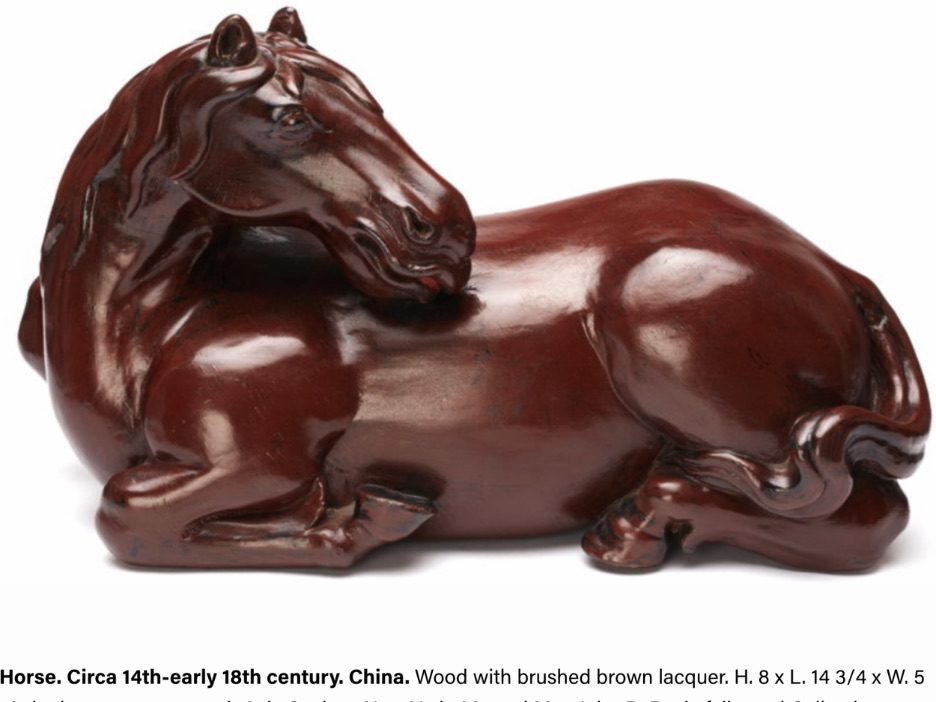
The possible visit of President Donald J. Trump to China in April of 2026, provides the setting for a significant course correction in U.S.-China relations. However, in the current situation where the rigid political environments in both capitals seem unlikely to facilitate the initiation of such a change, one of the most hopeful paths forward may be a return to the potential of Heartland Citizen Diplomacy to jump-start a re-boot of the Sino-American relationship, away from being adversaries and toward partnership.
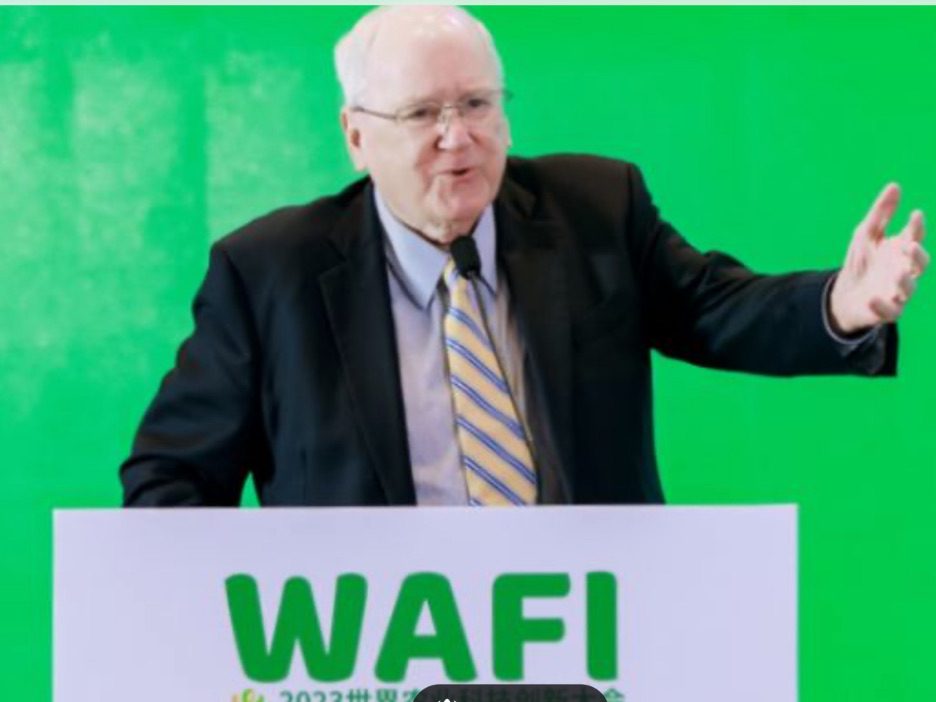
To continue my personal efforts to promote positive U.S. China relations, in 2023 I became a Founding Co-Chairman of the World AgriFood Innovation Conference (WAFI) in Beijing.
In every speech and public presentation I make, I stress that the single greatest challenge that humanity will face is: whether we can sustainably and nutritiously feed the 9 billion to 10 billion people who will be on our planet by the year 2050.
I then note that Africa will represent the most significant part of the challenge in that there will be an additional one billion people on that continent over the next quarter-century.
Norman Borlaug, the “Father of the Green Revolution” and founder of the World Food Prize, famously said: “If you want to feed Africa, build roads.” My proposal given in speeches I have made in China at the Great Hall of the People and in an article published in the U.S. is, in conjunction with select African leaders and World Food Prize Laureates, that China and the United States should commit to providing sustained financial support to upgrading rural infrastructure across Africa.
Citizen Diplomacy can once again not only help China and America continue to remain at peace, but also ensure that all 9.5 billion to 10 billion people who will be on our planet in the year 2050 will have access to sufficient sustainably produced nutritious food, thus meeting this great global challenge.
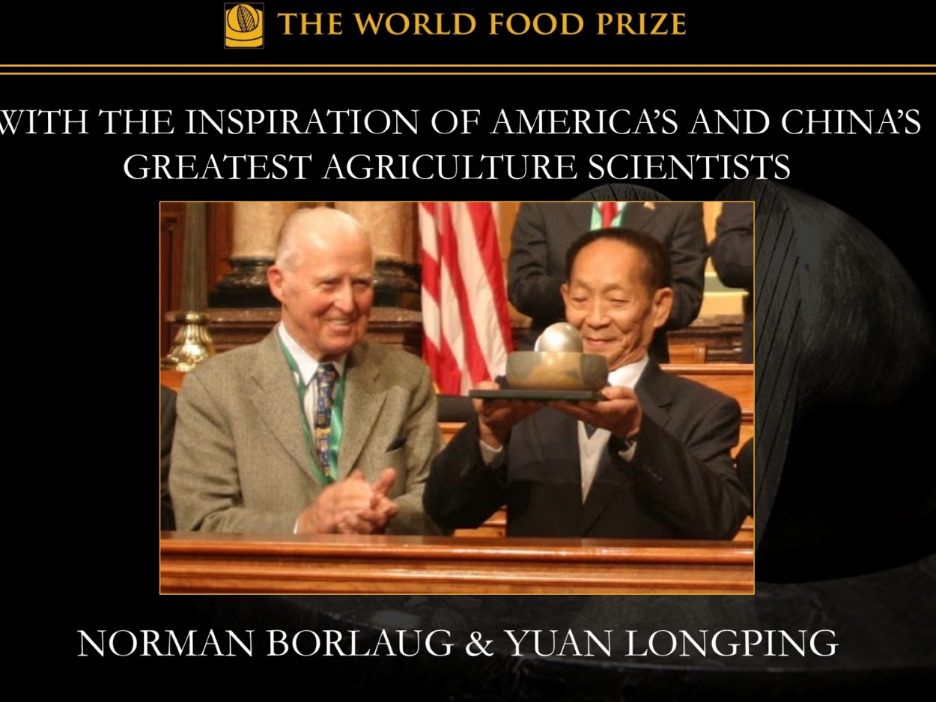
In that regard, the Legacy of Heartland Citizen Diplomacy combined with the efforts of the USHCA and the World Food Prize Hall of Laureates in Iowa, through its 50-year legacy of citizen diplomacy and agricultural collaboration with China dating back to 1974 when World Food Prize founder Dr. Norman Borlaug and Governor Robert Ray first visited China, and 1980 when Governor Xi Zhongxun first visited Iowa to share the benefits of agricultural research, may be the best way to positively impact this current situation.
Given the past role of the World Food Prize having hosted Vice President Xi in 2012, and Governor Holden and the USHCA having hosted an Agricultural Roundtable at the Hall of Laureates building, when added to legacy of Professor Yuan Longping, the Father of Hybrid Rice and the 2004 World Food Prize Laureate, my message is that Des Moines may be just the place for another Citizen Diplomacy initiative in the Year of the Horse to bring officials from both the U.S. and China together to launch a new partnership, to create a U.S.-China-Africa partnership to uplift African agriculture over the next 25 years to promote “Peace Through Agriculture.”
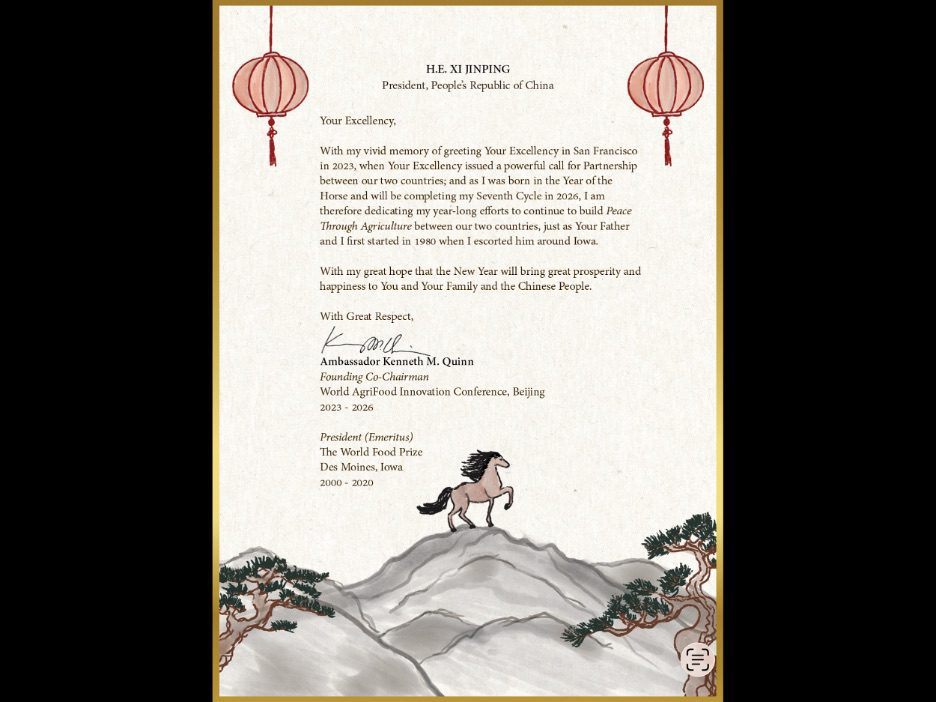
As I conveyed in my Lunar New Year special greeting to President Xi Jinping, designed by Angeline Neo of the World Food Prize, it would be a magnificent accomplishment if during the Year of the Horse, that historic legacy of Citizen Diplomacy that his father had initiated in 1980 would inspire a new U.S. – China collaboration leading to the eradication of hunger and maintaining global Peace Through Agriculture.
Special thanks to Ambassador Kenneth Quinn for his steadfast efforts to bolster the best of the Sino – U.S .relations and to educate leaders and publics about the mutual benefits of a partnership rather than an adversarial relationship.