Heartland Leaders’ Delegation to China Advances the Legacy of Subnational and Citizen Diplomacy

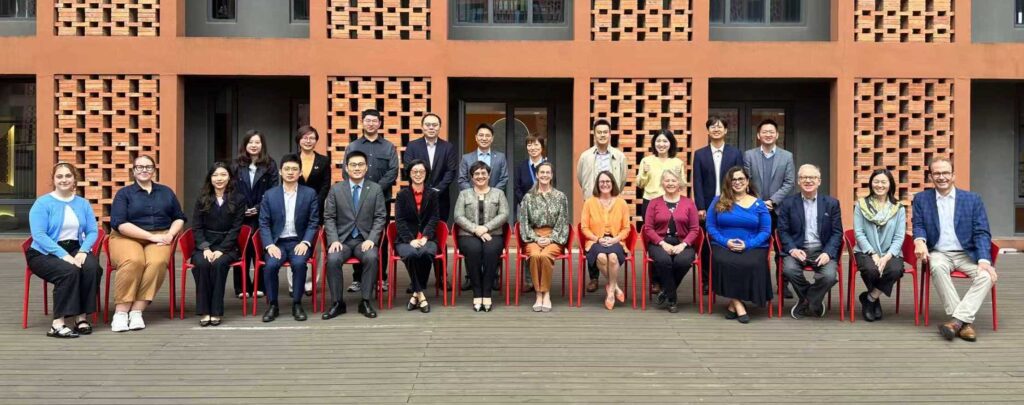
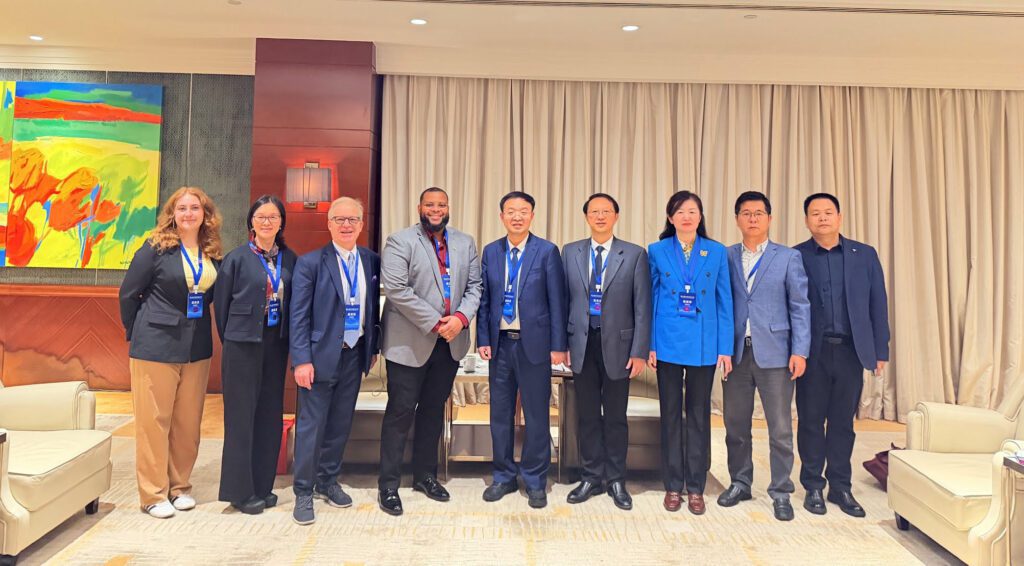
Picture of Heartland Leaders Delegation alongside Zhejiang University professors and staff.
Pictured above: Members of the 2025 Heartland Leaders Delegation pose for a photo alongside Zhejiang University professors and staff.

From October 23 to November 2, 2025, a Heartland Leaders Delegation organized by the United States Heartland China Association (USHCA) traveled to four Chinese cities—Shanghai, Hangzhou, Wuhan, and Xianyang—engaging with people in local governments, universities, and businesses to explore pragmatic cooperation in healthcare, education, environmental governance, and sustainable economic development.

This delegation included six local elected officials representing communities across the Mississippi River Basin and beyond. The delegation was led by Mayor Kim Norton of Rochester, Minnesota, and also included Mayor Deborah Feinen of Champaign, Illinois, Mayor Shaundel Washington-Spivey of La Crosse, Wisconsin, Mayor Dan Gibson of Natchez, Mississippi, State Senator Hillman T. Frazier of Mississippi’s 27th District, and Commissioner Erika Sugarmon of Shelby County, Tennessee. Together, the delegation represented a cross-section of the American Heartland’s healthcare centers, university towns, river communities, and manufacturing regions, bringing both policy leadership and subject-matter expertise to the exchange.

Amid evolving United States federal engagement in subnational diplomacy, this visit underscored the enduring value of subnational dialogue and people-to-people exchanges as we continue to see a shifting geopolitical landscape between the U.S. and China. These types of exchanges highlight how state and local leaders can play a vital role in promoting understanding and advancing diplomacy via local-to-local cooperation that delivers tangible benefits for their local communities.

October 24th | Shanghai

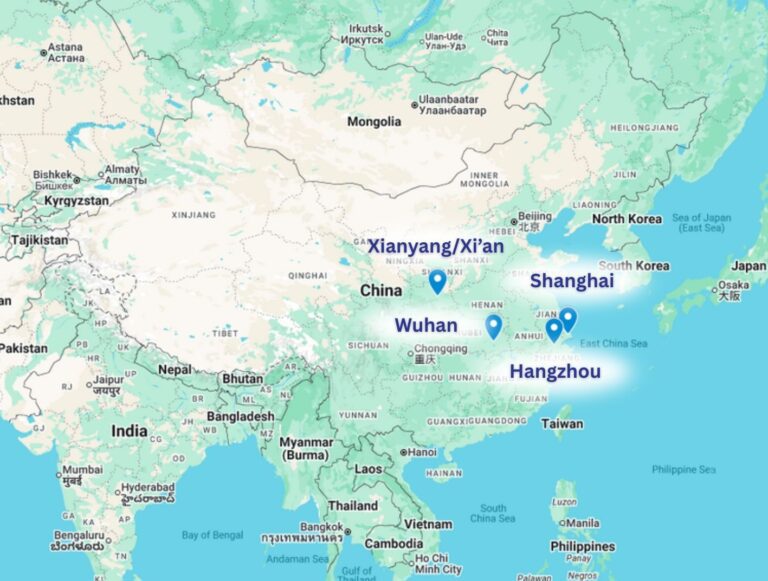
Map showing cities the delegation visited.
Pictured above: Map displaying the cities visited during the 2025 Heartland Leaders Delegation.

The delegation began their ten-day program in Shanghai on October 24th, where they were immediately welcomed by the city’s openness, cultural diversity, and sheer scale, providing an unforgettable first impression of the metropolis that is home to nearly 25 million people. That evening, the delegates sampled local cuisine and stayed at Shanghai’s historic Jinjiang Hotel, where U.S. President Richard Nixon and Chinese Premier Zhou Enlai announced the 1972 Sino–U.S. Joint Communiqué. Located in the former French Concession, the hotel immersed them in leafy boulevards, European-style architecture, and lively streets, providing a fitting backdrop for reflection on Shanghai’s long-standing role as a bridge between China and the outside world.

October 25th - October 27th | Hangzhou

Early on the morning of the 25th, the delegation departed Shanghai aboard a high-speed “bullet” train to Jiande in Zhejiang Province, followed by a scenic drive to Nongfu Spring’s Chun’an Tea Garden Factory overlooking the renowned Qiandao Lake. Set amid rolling hills and pristine waters, the visit introduced the delegation to China’s largest bottled water and beverage company, highlighting its integrated approach to sustainability, agriculture, and advanced manufacturing. This opening visit in the Hangzhou area set the tone for a series of engagements focused on innovation and collaboration, including participation in the 7th China–U.S. Sister Cities Conference and a range of site visits centered on healthcare innovation, digital medicine, and university-led research ecosystems, framing Hangzhou as a dynamic hub for forward-looking cooperation.

The delegation’s visit to Nongfu Spring—joined by State of Illinois China Office representatives, and delegation expert Dr. Kristen Looney, Associate Professor of Political Science at Georgetown University— provided a firsthand view of how a major Chinese consumer-goods company integrates environmental stewardship, industrial automation, and long-term global strategy. The Chun’an Garden Factory is one of Nongfu Spring’s earliest and most strategically significant production sites which bottles water directly from the pristine Qiandaohu watershed. Delegates observed high-speed, automated bottling lines capable of processing tens of thousands of bottles per hour, and advanced digital logistics systems that optimize supply chain flows. Environmental stewardship emerged as a defining theme of the Nongfu visit. Nongfu works closely with local governments to implement watershed protection protocols, continuous water-quality monitoring, and strict ecological zoning around the Qiandaohu region. For Heartland leaders with their own river-dependent economies and
water-management challenges, the model offered distinct insights into how public–private cooperation can reinforce both ecological protection and industrial expansion.

Additionally, Nongfu stated interest in United States market expansion, including establishing a manufacturing facility domestically. The American Heartland with its abundant water resources, strong transportation corridors, agricultural capacity, and business-friendly industrial parks, stands out as a plausible destination for future investment. The Delegation’s presence signaled that municipal and state leaders are open to exploring economic partnerships, provided that investments generate jobs, uphold environmental standards, and remain transparent within local regulatory frameworks. 

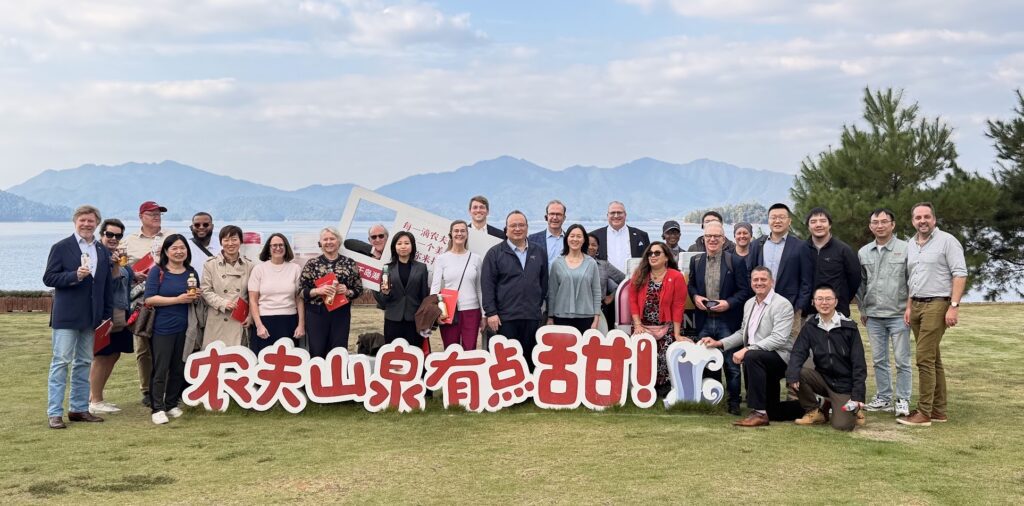
Picture of delegation at Nongfu Spring's Jiande facility.
Pictured above: Members of the 2025 Heartland Leaders Delegation pose at Nongfu Spring’s Jiande facility alongside staff.

The next day, delegates were offered the opportunity to explore local universities, businesses, and cultural sites. A major highlight was the visit to Zhejiang University and its affiliated hospital system, Zhejiang Hospital No. 2, where delegates examined China’s approach to population-scale public health, and the integration of digital health infrastructure into clinical care.

At the delegations’ meeting with the Dean and Director of the National Institute for Data Science in Health and Medicine at Zhejiang University’s Public Health School, Dr. Wu Xifeng, they were introduced to the Healthy Zhejiang One Million People Cohort Study, a large-scale longitudinal health study integrating biological, behavioral, and environmental data. Delegates discussed shared challenges such as aging populations, chronic disease, and rural healthcare access. While recognizing that U.S. privacy laws and decentralized health systems differ from China’s model, Heartland leaders, including delegate Dr. Michael Prendergast, a vascular surgeon from Chicago, identified opportunities for methodological learning, student exchange, and public health collaboration rather than direct replication.

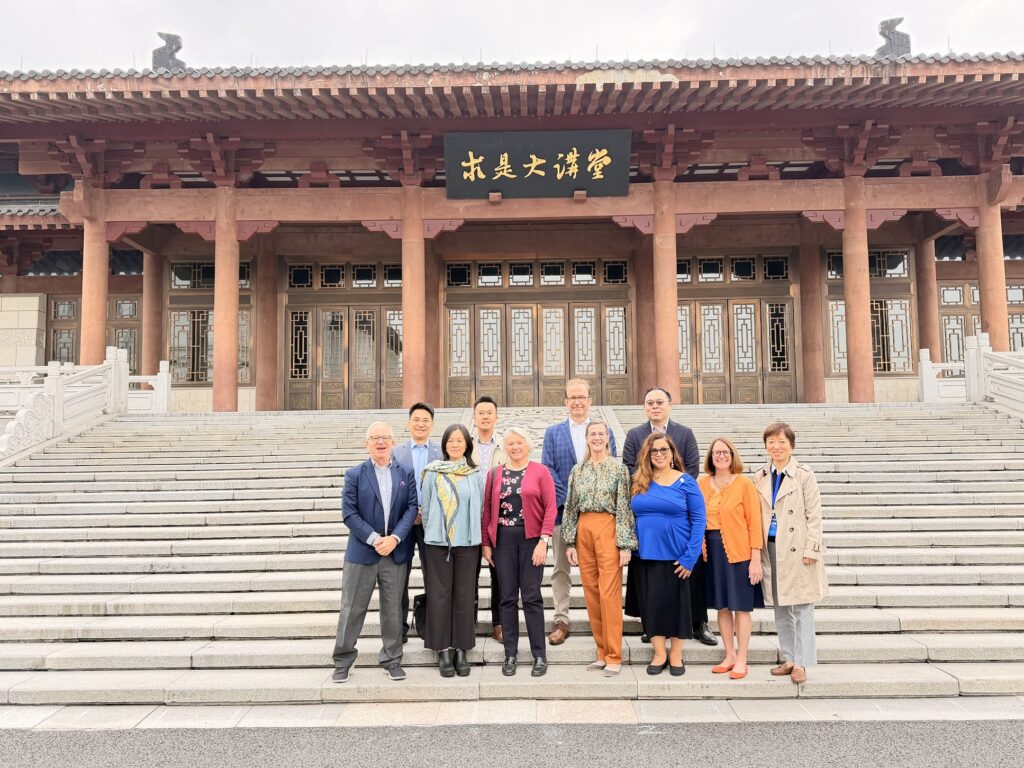
Pictured above: Members of the 2025 Heartland Leaders Delegation tour Zhejiang University’s campus.

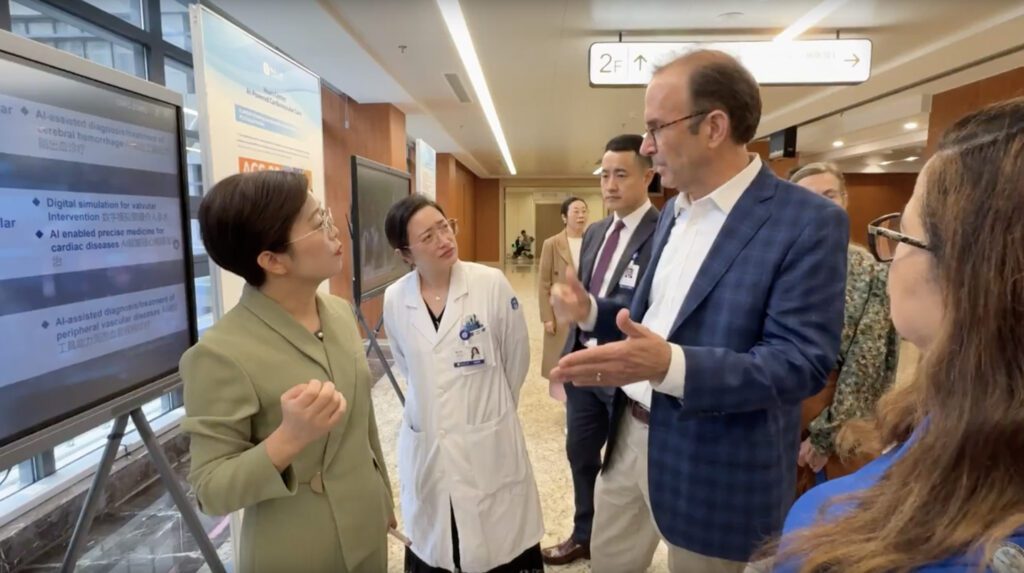
After the morning visit to Zhejiang University, a sub-set of the delegation visited Zhejiang Hospital No. 2, one of China’s leading public tertiary medical centers treating nearly 6 million outpatients and more than 190,000 inpatients annually. Hospital leadership and clinicians presented their integrated model of care, which links clinical practice, medical education, and research within a unified system. Delegates learned how the hospital uses digital platforms, clinical data, and population health tools to support preventive care, chronic disease management, and physician training at scale. The visit provided a concrete view of how large academic medical centers in China operate within citywide and provincial health strategies, offering Heartland leaders a comparative perspective as they confront similar challenges related to aging populations, workforce shortages, and access to care in both urban and rural settings.

Pictured above: Dr. Michael Prendergast, the delegation’s healthcare advisor, speaks with a leader of the Zhejiang No. 2 Hospital.

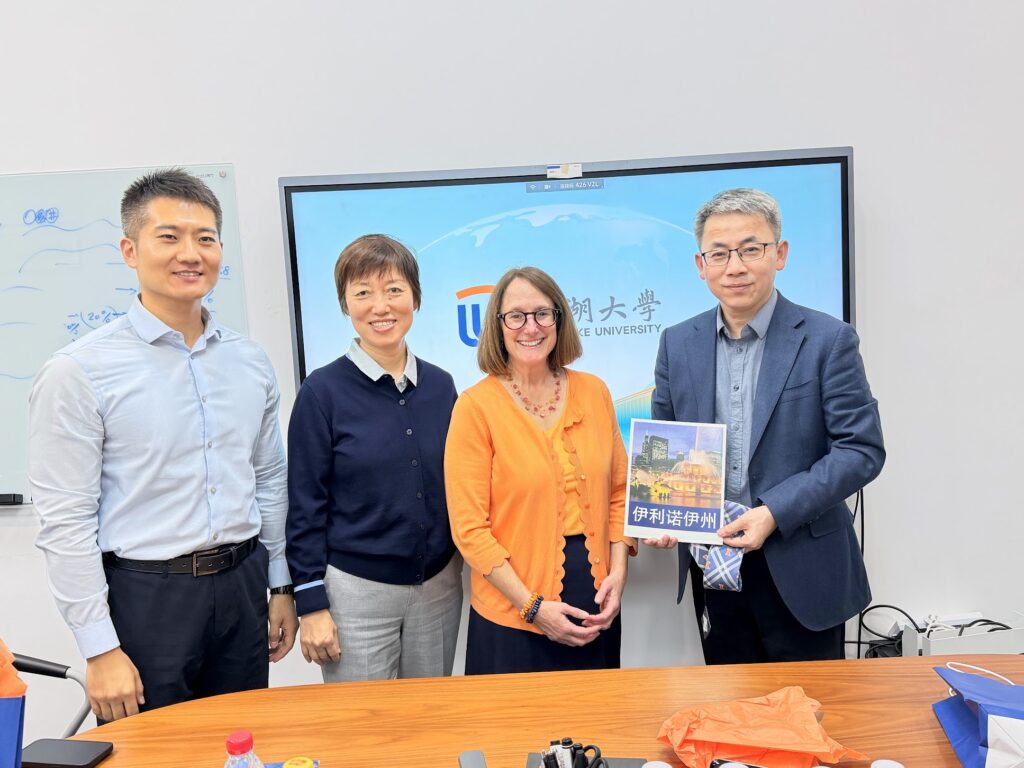
Members of the delegation also conducted a visit to Westlake University in Hangzhou. Founded in 2018, Westlake University provided delegates with insight into one of China’s most ambitious higher-education experiments: a private, non-profit, research-intensive university modeled in part on leading U.S. institutions. University leaders introduced Westlake’s STEM-focused academic structure, its emphasis on early lab immersion, and its faculty composition–which includes a high proportion of scholars trained or previously employed at U.S. universities. Discussions highlighted Westlake’s hybrid funding model, which combines government support with private philanthropy, and its active efforts to recruit international students, including Americans. For the delegation, the visit underscored how Chinese universities are adapting U.S.-style research and training models while maintaining strong institutional ties to the American Heartland through alumni networks and faculty exchanges.

Pictured above from left to right: Xiaoyu Gao (Deputy Director and Head of the Office of International Affairs of West Lake University), Mary Ma (Managing Director at State of Illinois China Office), Mayor Deborah Feinen, and Jianjun Cheng (Vice President of West Lake University).

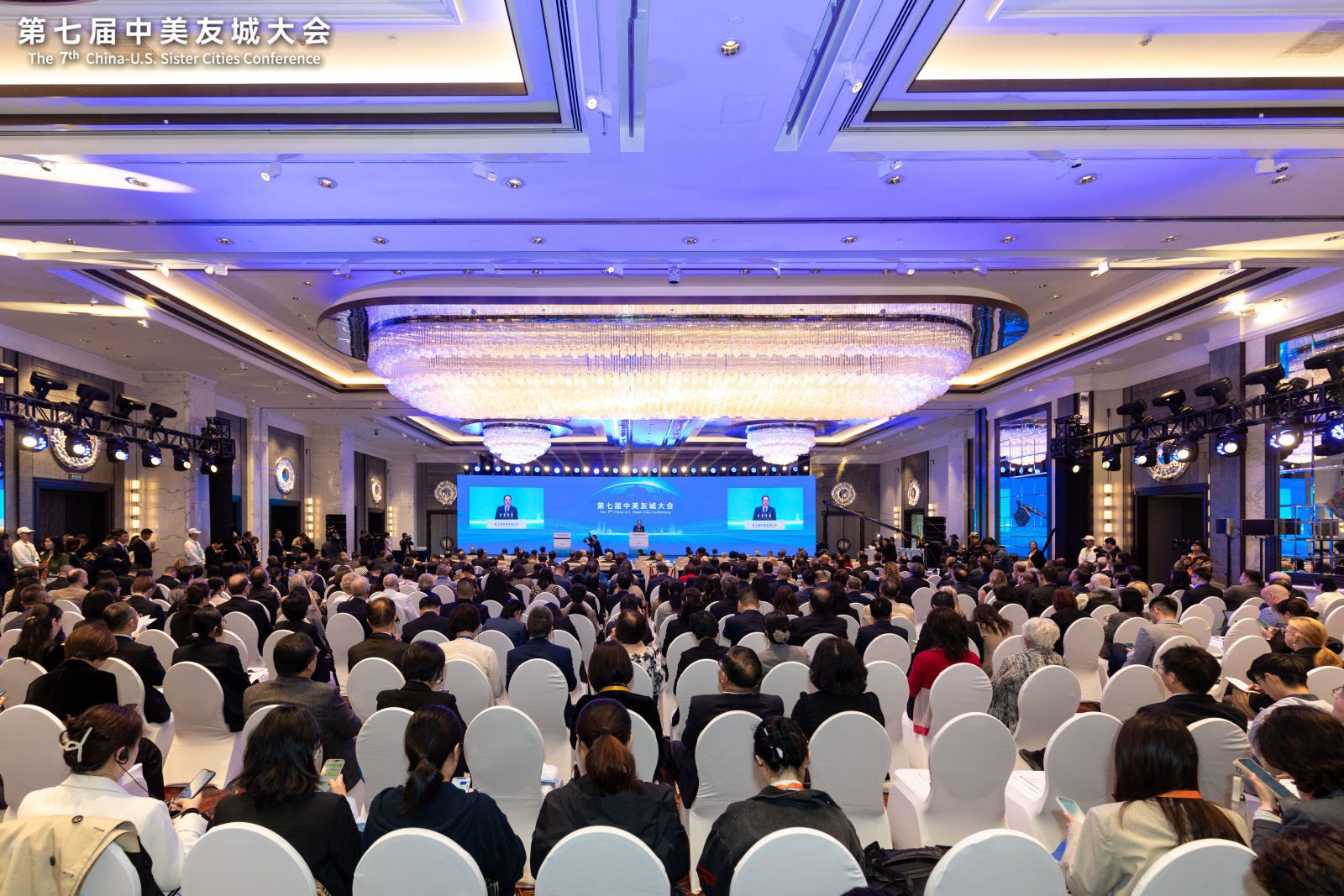
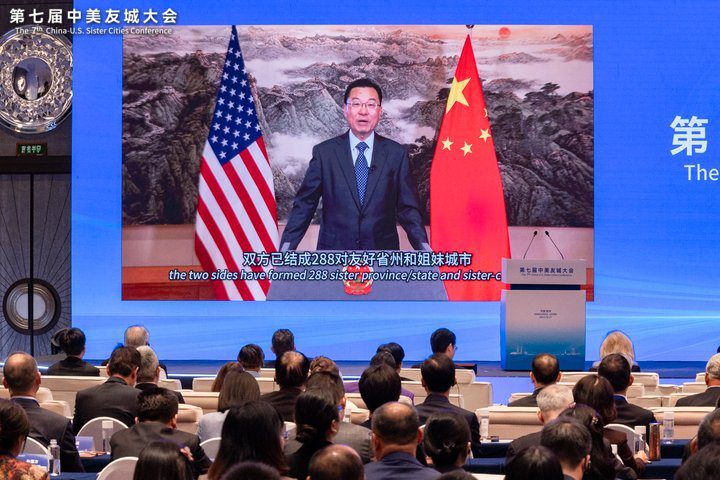
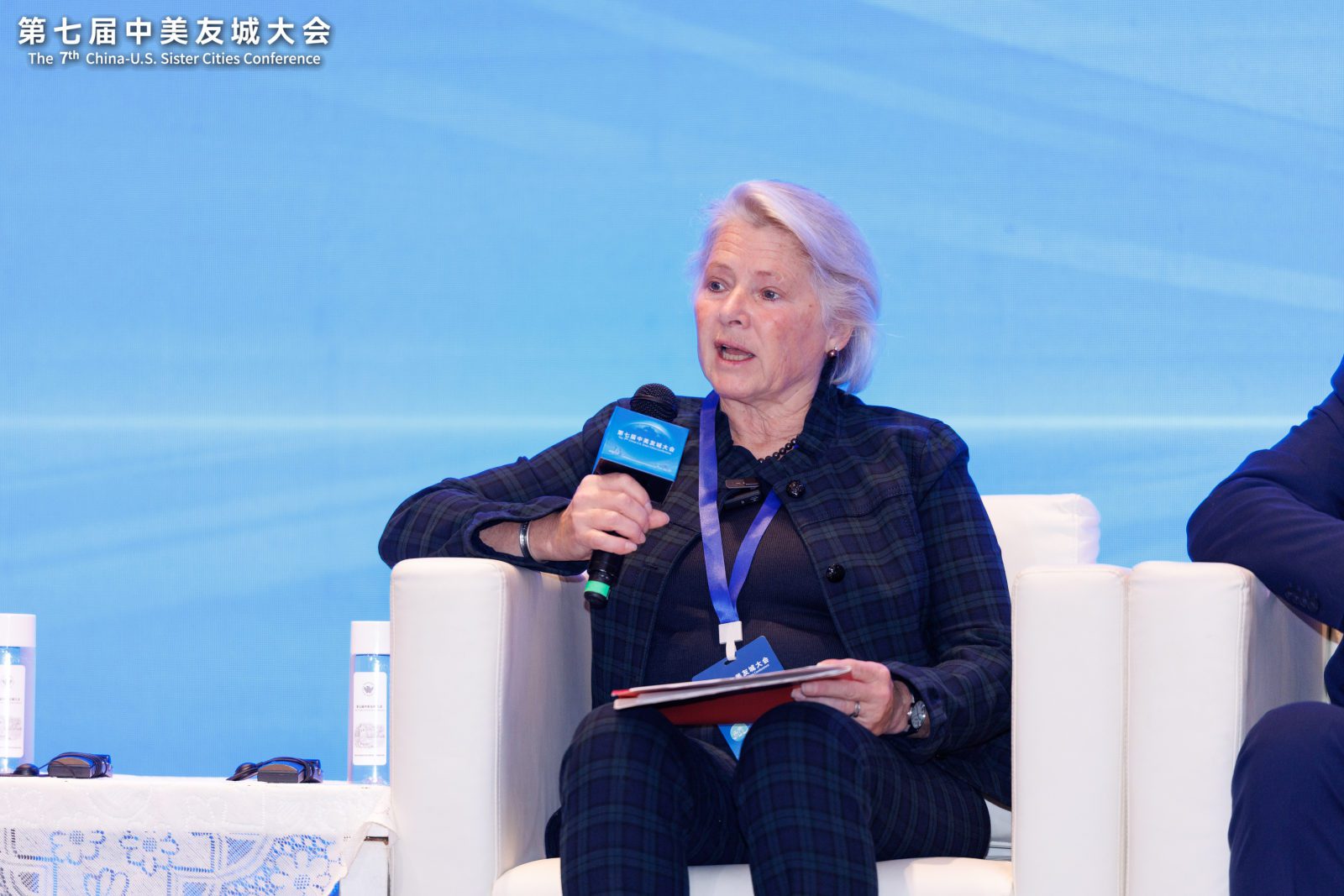
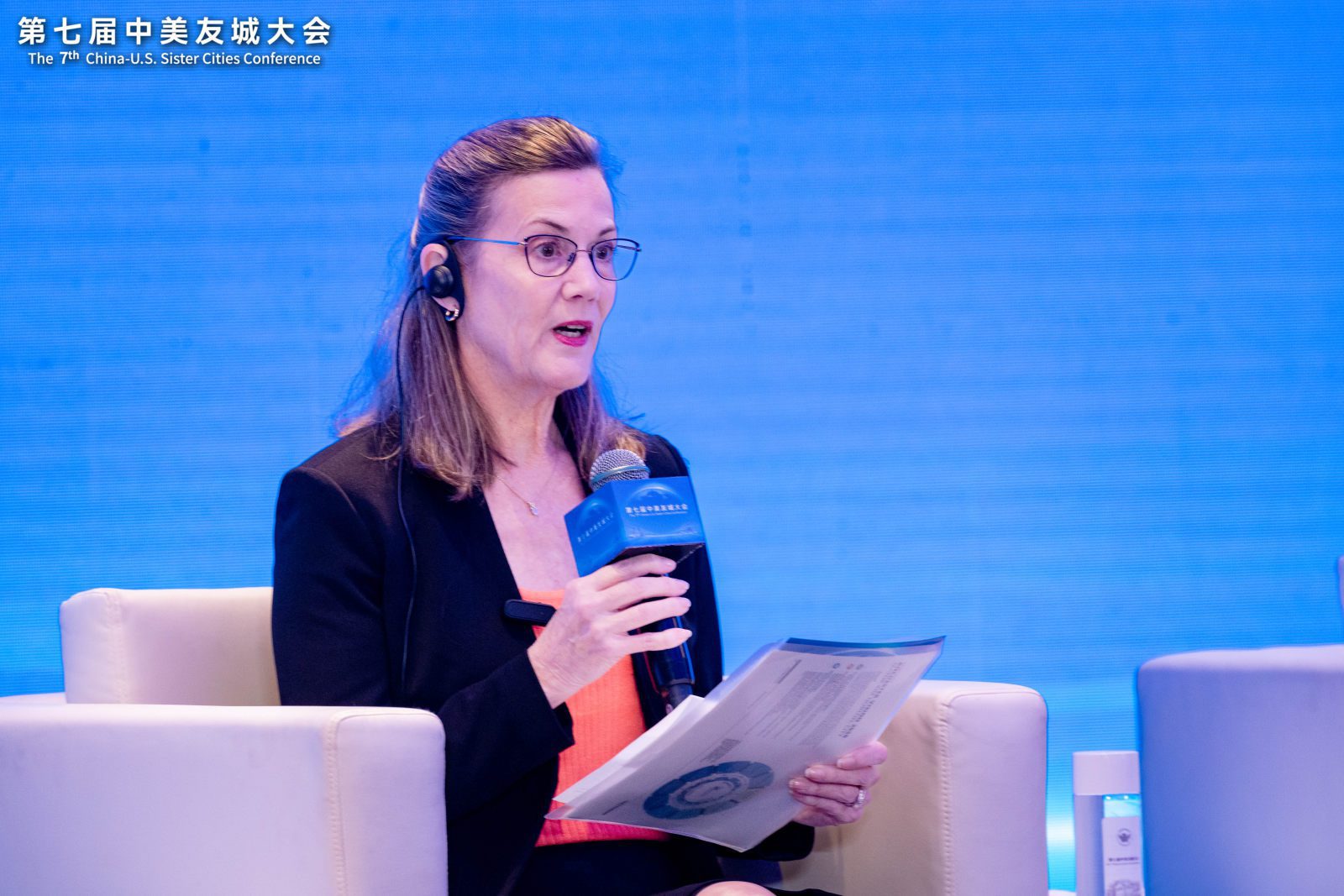
On the delegation’s final day in Hangzhou, it also participated in the 7th China–U.S. Sister Cities Conference, which brought together municipal leaders, provincial foreign affairs officials, and institutional partners from both countries. Conference sessions focused on city-to-city cooperation in public health, education, urban innovation, and sustainable development. USHCA Vice Chair Susan Thornton and Rochester, MN Mayor Kim Norton spoke on panels promoting U.S.-China educational exchanges and Mayo Clinic’s DMC city development project, respectively. For the Heartland delegation, the conference reinforced the value of sister-city relationships as durable channels for engagement that can persist beyond political cycles. Discussions emphasized how local governments use these partnerships to facilitate practical exchange, support educational and cultural ties, and advance shared solutions to common urban and regional challenges.

Pictured above from left to right: Audience of the 7th annual China-U.S. Sister Cities Conference; Chinese Ambassador to the United States Xie Feng provides recorded remarks.

Pictured above: USHCA Vice Chair Susan Thornton speaking on the Education Exchange panel; Mayor Kim Norton speaking on the Innovation and City Development panel.

The conference also included dedicated time for mayors and city leaders to meet directly with leaders from their sister cities. For some, like Mayor Shaundel Washington-Spivey of La Crosse, Wisconsin, this marked their first formal engagement since taking office or their first visit since the COVID-19 pandemic. La Crosse’s sister-city relationship with Luoyang, China, established in 1996, provided an opportunity to reflect on over two decades of collaboration and explore future exchanges. Over the years, the partnership has fostered cultural programs, student and teacher exchanges, and municipal knowledge-sharing initiatives, creating strong bonds between the two communities. Engagements like these underscore the enduring value of pragmatic U.S.–China relationships as trusted, people-to-people platforms that transcend political cycles. By sustaining direct dialogue and shared experiences at the local level, these cities continue to build mutual understanding, foster practical cooperation, and lay a resilient foundation for future collaboration between American and Chinese communities.

Pictured above: Mayor Washington-Spivey and USHCA representatives meet with delegates from the city of Luoyang.

October 28th - October 30th | Wuhan

From Hangzhou, the delegation then traveled to Wuhan via a four-hour high-speed “bullet” train journey, traveling across multiple provinces and landscapes. As the train moved westward from Zhejiang through China’s interior, delegates observed the gradual shift from the dynamic, export-oriented coastal economy of Eastern China, to the industrial heart of Central China. This journey highlighted Wuhan’s role as a critical inland hub, often described as the “thoroughfare of nine provinces,” and home to more than 11 million residents at the confluence of the Yangtze and Han rivers.

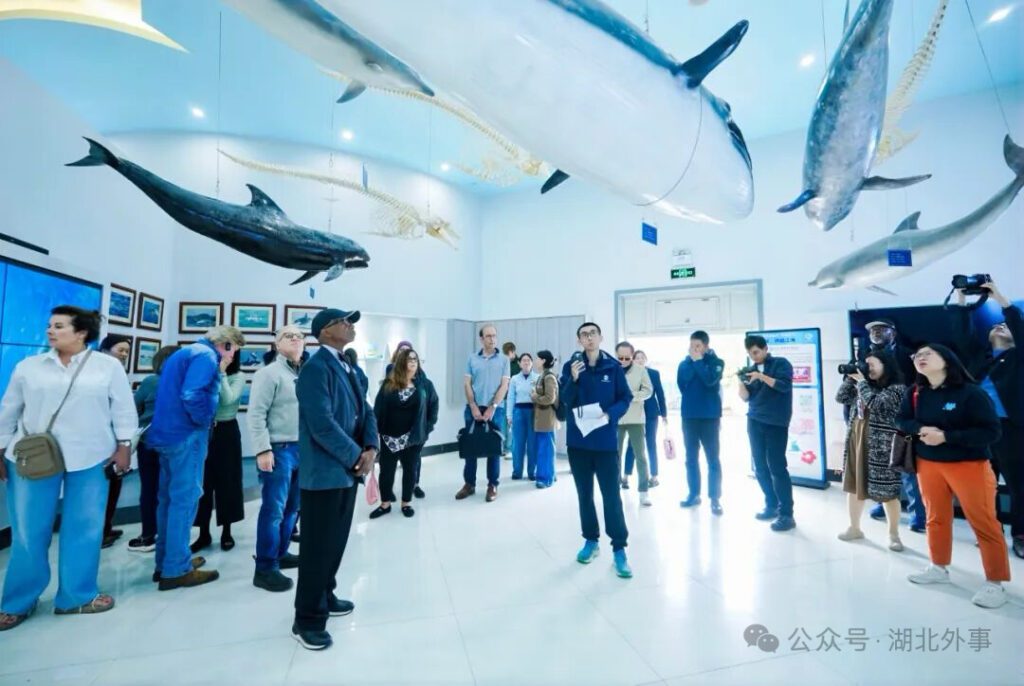
As part of the broader Yangtze–Mississippi River Dialogue (YMRD), the delegation’s first day in Wuhan began with a visit to the Institute of Hydrobiology of the Chinese Academy of Sciences, home to the Yangtze River Finless Porpoise Breeding and Research Base. Delegates toured the research facilities and public exhibit dedicated to the conservation of the finless porpoise, a nationally protected species and a symbol of ecological restoration along the Yangtze River. Researchers highlighted China’s basin-wide strategies for habitat protection, fishing bans, and community transition programs designed to advance conservation goals. For Heartland leaders, the visit provided a valuable comparative perspective on river governance and species protection, illustrating how environmental priorities are coordinated across multiple agencies and regions in China, and prompting reflection on similar conservation efforts along the Mississippi River.

Members of the 2025 Heartland Leaders Delegation visit the Institute of Hydrobiology and tour the museum.
Pictured above: Members of the 2025 Heartland Leaders Delegation visit the Institute of Hydrobiology and tour the museum.

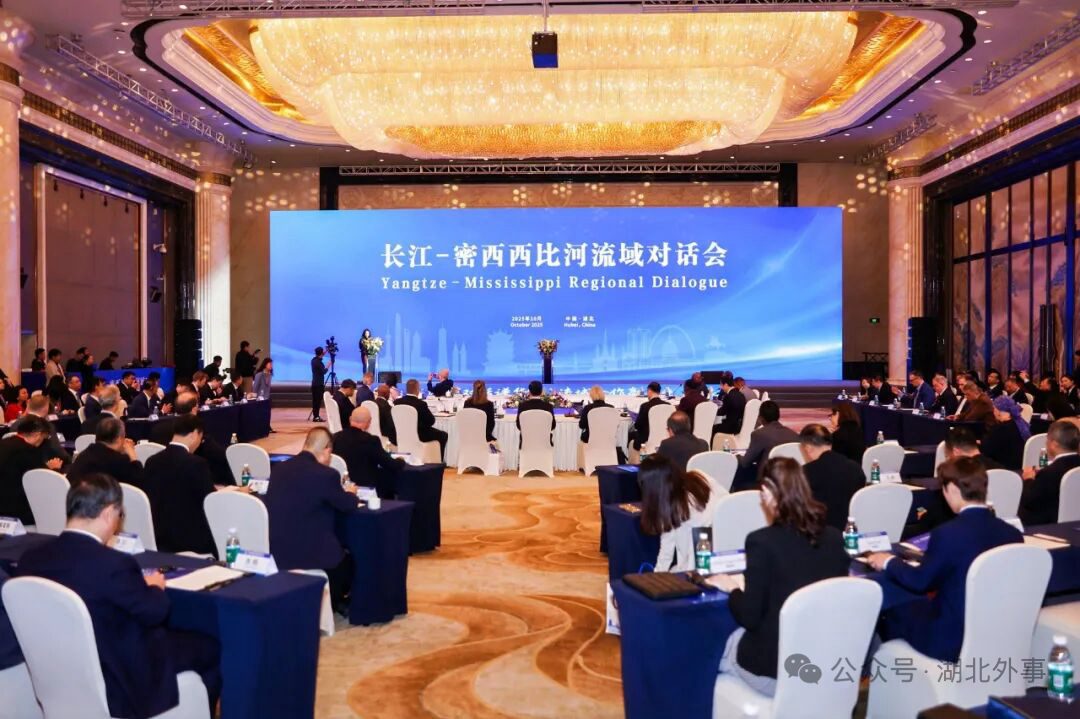
On October 29th, the delegation participated in the Yangtze–Mississippi River Dialogue, the centerpiece of their visit to Wuhan, which served as the core platform for structured exchange between Heartland leaders and their Chinese counterparts. With the theme: “River Dialogue Writes a New Chapter, Basin Cooperation Wins the Future,” the dialogue facilitated in-depth discussions on shipping and logistics, culture and tourism, sister city partnerships, education, and youth engagement. Morning sessions featured presentations from each U.S. delegate, introducing their cities and regions while highlighting local economic development strategies, workforce planning priorities, tourism assets, and long-term growth challenges. Leaders shared speeches and case studies on sustainable river management, housing ecosystems, climate resilience, and community revitalization.

Delegation leader Mayor Kim Norton, shared her city’s model for sustainable, integrated development, emphasizing the importance of coordinated planning, green infrastructure, and community engagement in balancing economic growth with environmental stewardship. Dan Gibson, Mayor of Natchez, Mississippi, detailed the city’s efforts to revitalize Mississippi River tourism, highlighting Natchez’s rich legacy while acknowledging its past and emphasizing how the community is building on that history to move forward and grow.

Other Heartland leaders showcased the diversity of regional approaches to pressing environmental and social challenges through case studies. Senator Hillman T. Fraser highlighted the state’s rich cultural resources, Mayor Shaundel Washington-Spivey detailed his city’s climate action plan, Commissioner Erica Sugarmon shared strategies for building a resilient housing ecosystem, and Mayor Deb Feinen discussed Champaign, the University of Illinois Urbana-Champaign’s experiences in advancing U.S.–China educational exchanges. Each speaker reinforced the importance of cross-regional learning, connecting their local experiences to broader themes of sustainable development, community resilience, youth engagement, and international collaboration.

The Chinese delegation shared equally robust case studies, from Xu Zhaoming, Chief Planner of the Yangtze River Water Resources Commission, who outlined the “Chinese solution” for Yangtze protection using authoritative data, to Senior Journalist Gao Baoyan from the Yangtze Daily recounting the story of the protection of finless porpoises, to Wang Yihe, Deputy Researcher at the National Key Laboratory of Estuarine and Coastal Research of East China Normal University, who presented strategies for saltwater intrusion prevention and freshwater conservation in the Yangtze Estuary.


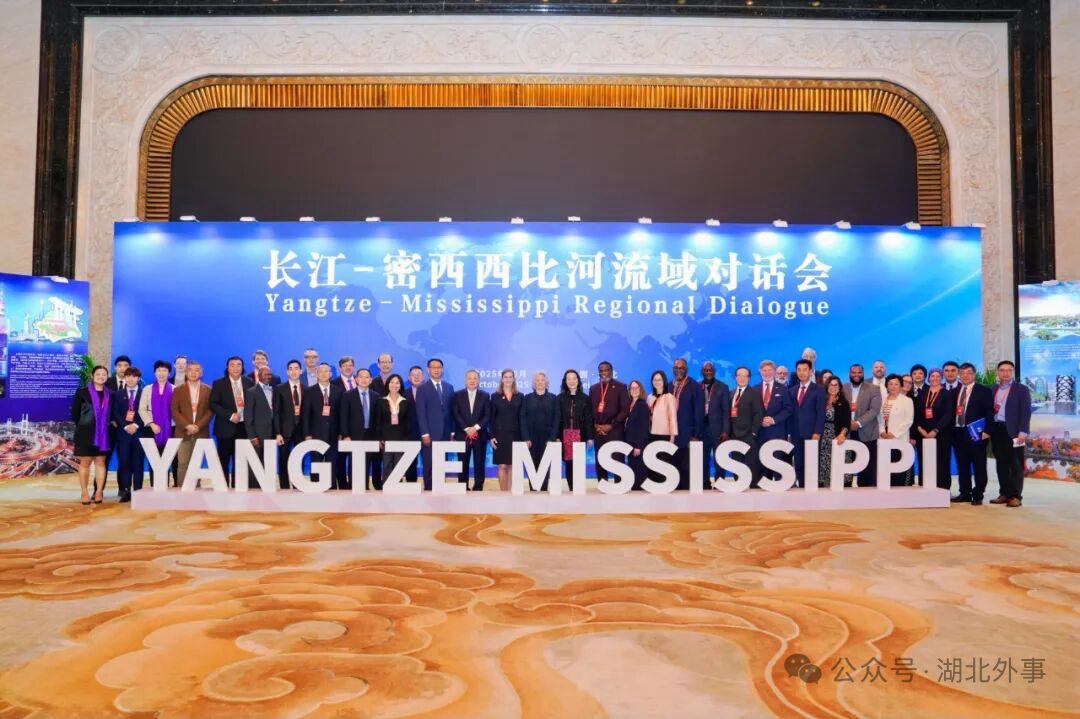
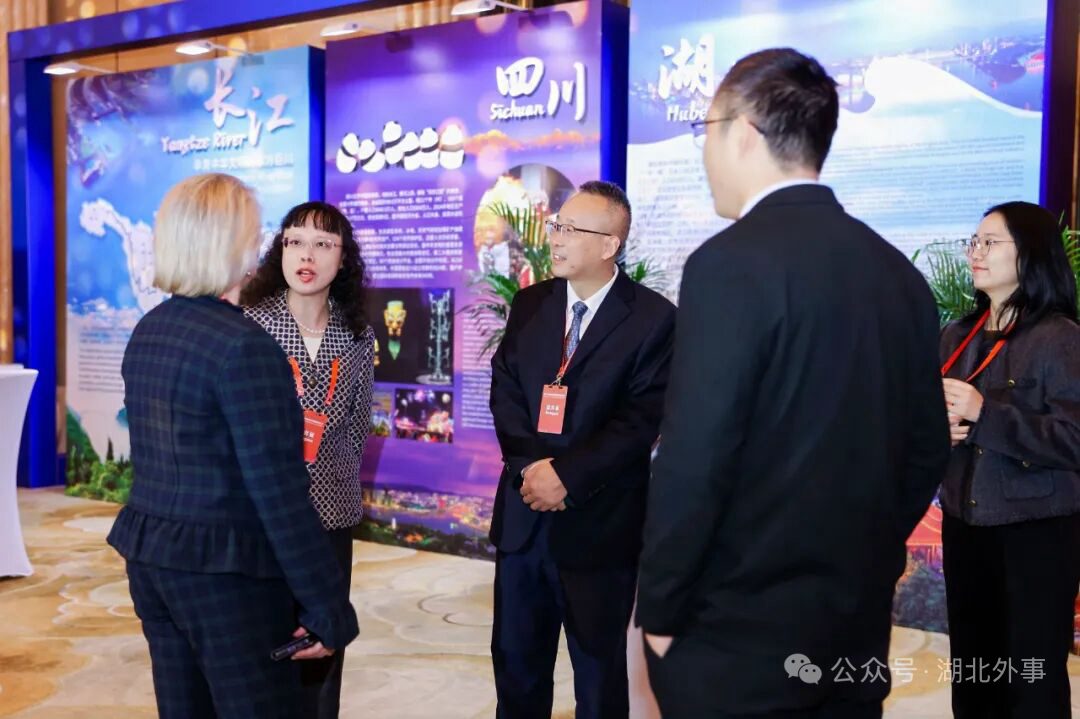
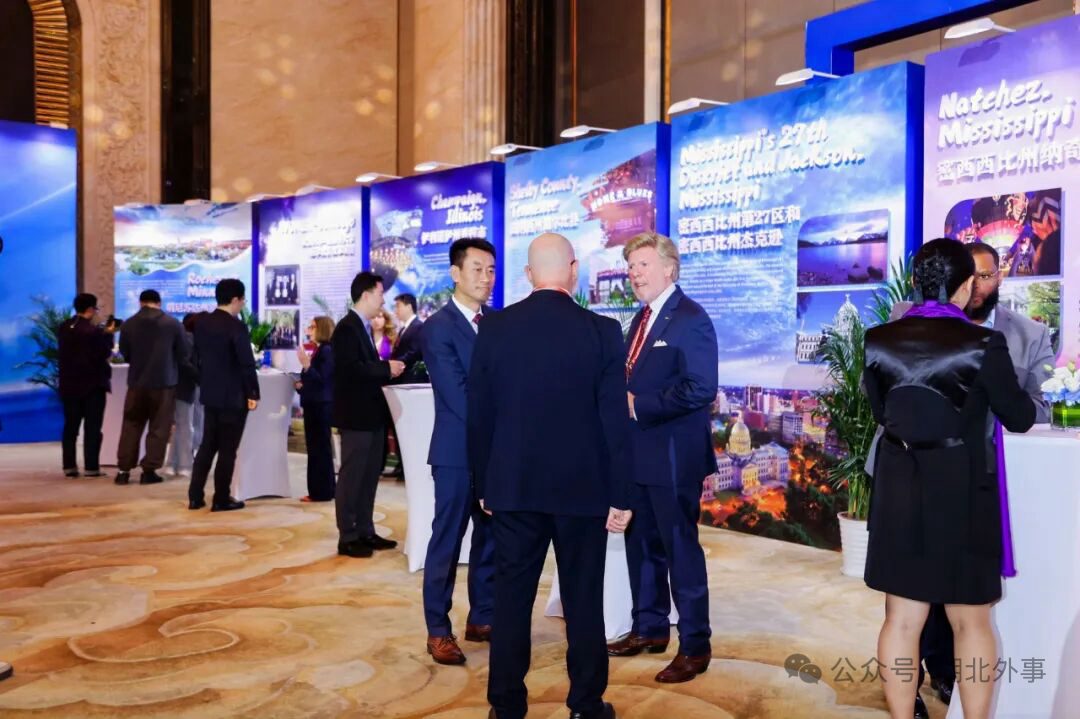
Pictured above: Photos from the 2025 Yangtze-Mississippi Regional Dialogue hosted in Wuhan.

Pictured above: Members of the 2025 Heartland Leaders Delegation promote their cities at the 2025 Yangtze-Mississippi Regional Dialogue.

Educational and youth exchanges were also emphasized, including insights from Jonathan Lio of the University of Chicago on international academic cooperation and heartfelt reflections from Alabama youth representative Davis Parker, who said “the future of Sino-U.S. relations lies in the youth.” These presentations set a practical, solutions-oriented tone, emphasizing cross-regional learning and long-term cooperation rather than ceremonial diplomacy.

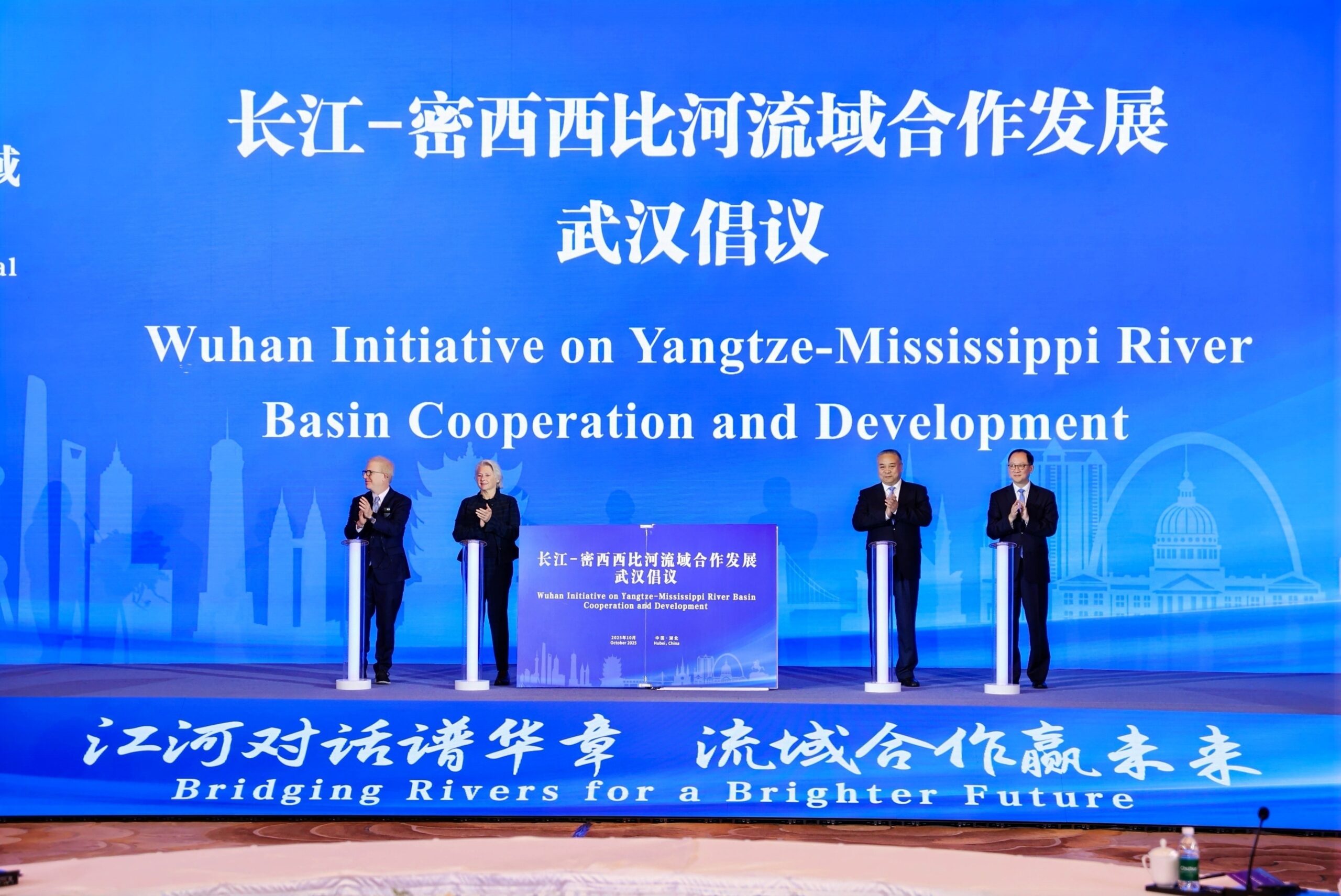
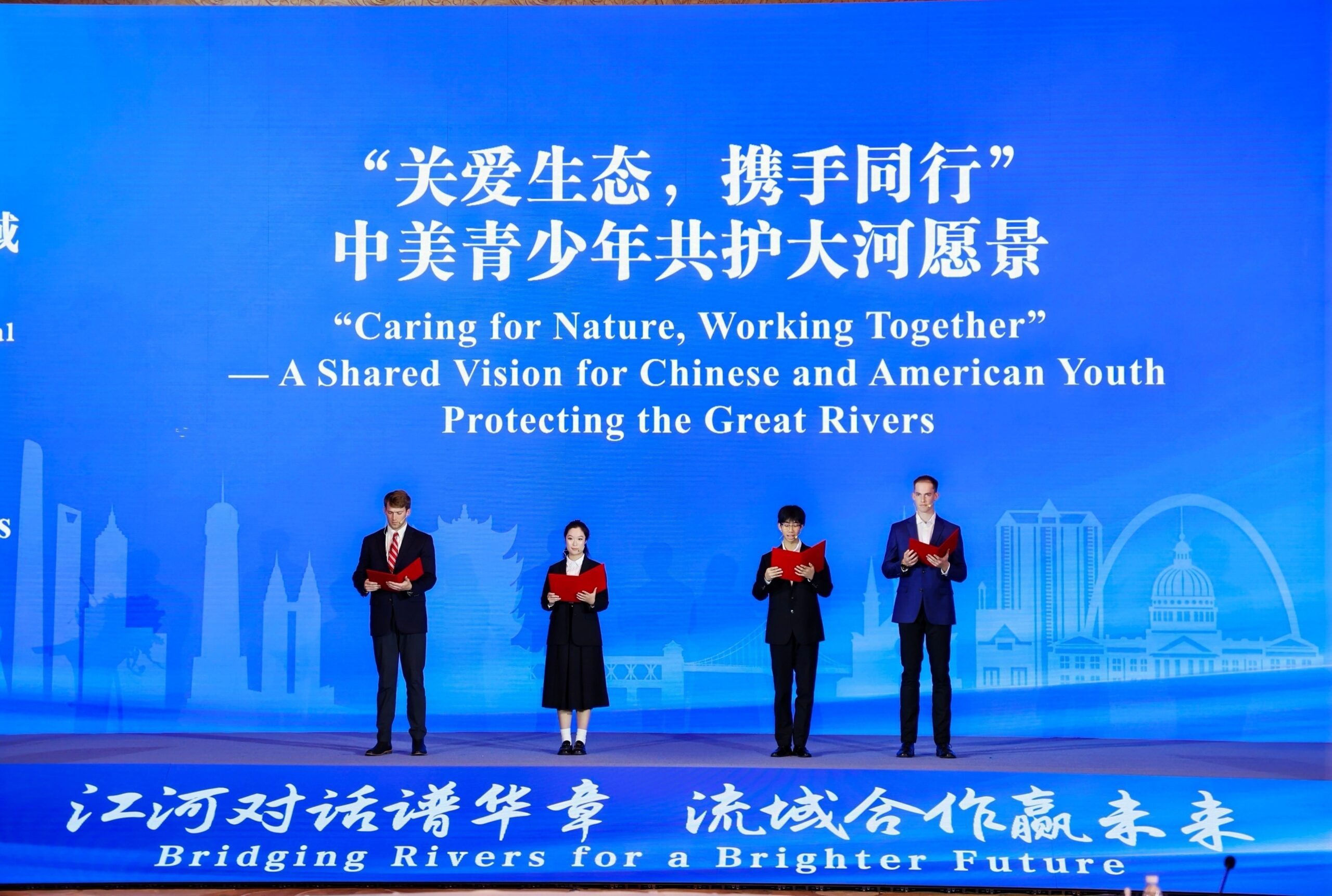
The formal conference session concluded with the joint release of the memorandum of understanding “Wuhan Initiative for Cooperation and Development in the Yangtze–Mississippi River Basin,” aimed at strengthening city-to-city partnerships, advancing ecological protection, enhancing shipping and logistics connectivity, and deepening people-to-people exchanges. The initiative’s youth-focused component, read aloud in both Chinese and English, urged participants to “jointly build bridges of river awareness, explore green development perspectives, uphold the responsibility of river protection, and promote the enduring voice of the great rivers,” highlighting a shared vision for sustainable river stewardship that unites the two continents.

Pictured above from left to right: Signing of the “Wuhan Initiative on Yangtze-Mississippi River Basin Cooperation and Development” at the 2025 Yangtze-Mississippi Regional Dialogue; Signing of the “Shared Vision for Chinese and American Youth Protecting the Great Rivers.”

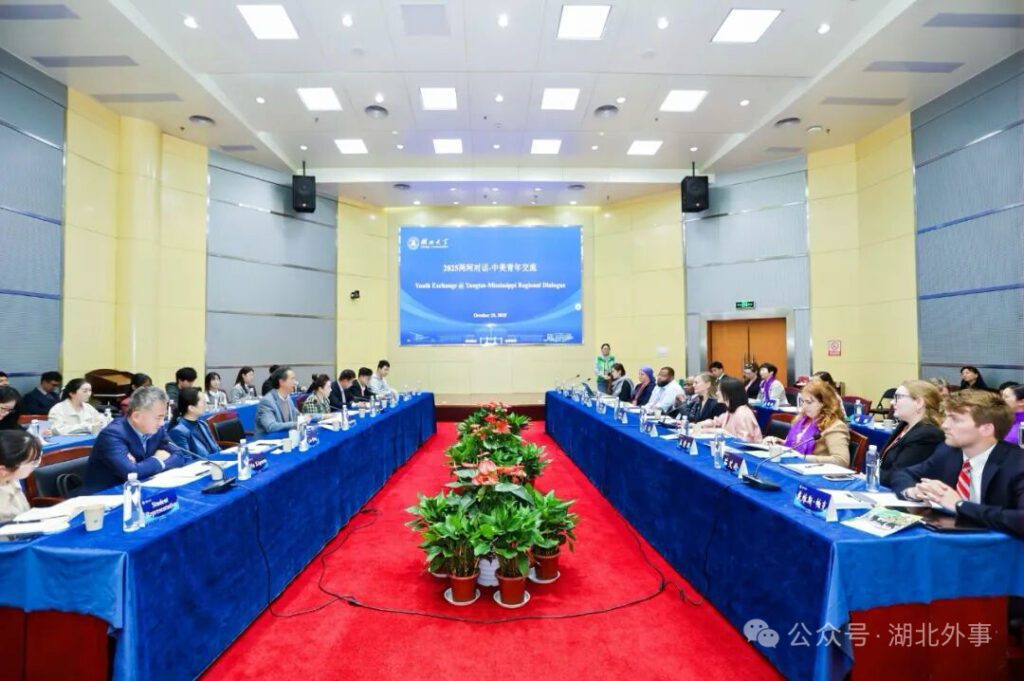
In the afternoon, the delegation traveled to Hubei University to participate in the inaugural YMRD Youth Exchange Forum. There, delegates joined faculty, Chinese students, and Schwarzman Scholars, students in a prestigious master’s program at Tsinghua University that cultivates global leadership through study and research in China, for discussions on river governance, environmental protection, and climate resilience. The session included lectures on Yangtze River water culture, student presentations on flood management and infrastructure, and expert commentary that encouraged comparative thinking about global governance systems.


Notably, the delegation’s experts gave speeches on their respective areas of expertise. Dr. Looney discussed the history of Chinese rural development and offered advice to young leaders on how to engage in U.S.–China collaboration. Dr. Mengye Zhu, a Senior Scientist with the Natural Capital Alliance at Stanford University, shared insights on how U.S.–China climate collaboration has mainstreamed methane mitigation within the global climate action agenda, and highlighted the importance of embedding the value of nature in policymaking, as well as opportunities for U.S.–China collaboration through the “nature and climate” agenda. Elizabeth Knup, a member of the Board of Directors of the National Committee on U.S.–China Relations and a recent Senior Fellow at the Jackson School of Global Affairs at Yale University, contributed not only through her engagement in the youth exchange program, offering perspectives on the role of international organizations in U.S.–China relations, but also throughout her time with the delegation, sharing valuable on-the-ground insights into living and working in the bilateral space and reflecting on leadership in this complex international environment.


These presentations were followed by an interactive Q&A session, highlighting the value of direct dialogue between U.S. and Chinese students. The Schwarzman Scholars, advised by USHCA to develop their master’s thesis on subnational diplomacy, posed questions about environmental differences and governance approaches in China, while Chinese students in turn asked about flood prevention strategies, emergency response systems, and post-flood recovery practices in U.S. communities. This exchange allowed both sides to compare local government roles, community engagement, and resilience planning, fostering mutual learning and demonstrating how subnational partnerships can support practical problem-solving across borders.


Following this event, the delegates were taken on a special tour of Mao Zedong’s Villa (Meiling), a historic retreat complex situated on the scenic shores of East Lake where Chairman Mao lived and worked during key periods of China’s modern history.

Members of the 2025 Heartland Leaders Delegation attend the Youth Exchange Dialogue as part of the 2025 Yangtze-Mississippi Regional Dialogue.
Pictured above: Members of the 2025 Heartland Leaders Delegation attend the Youth Exchange Dialogue as part of the 2025 Yangtze-Mississippi Regional Dialogue.

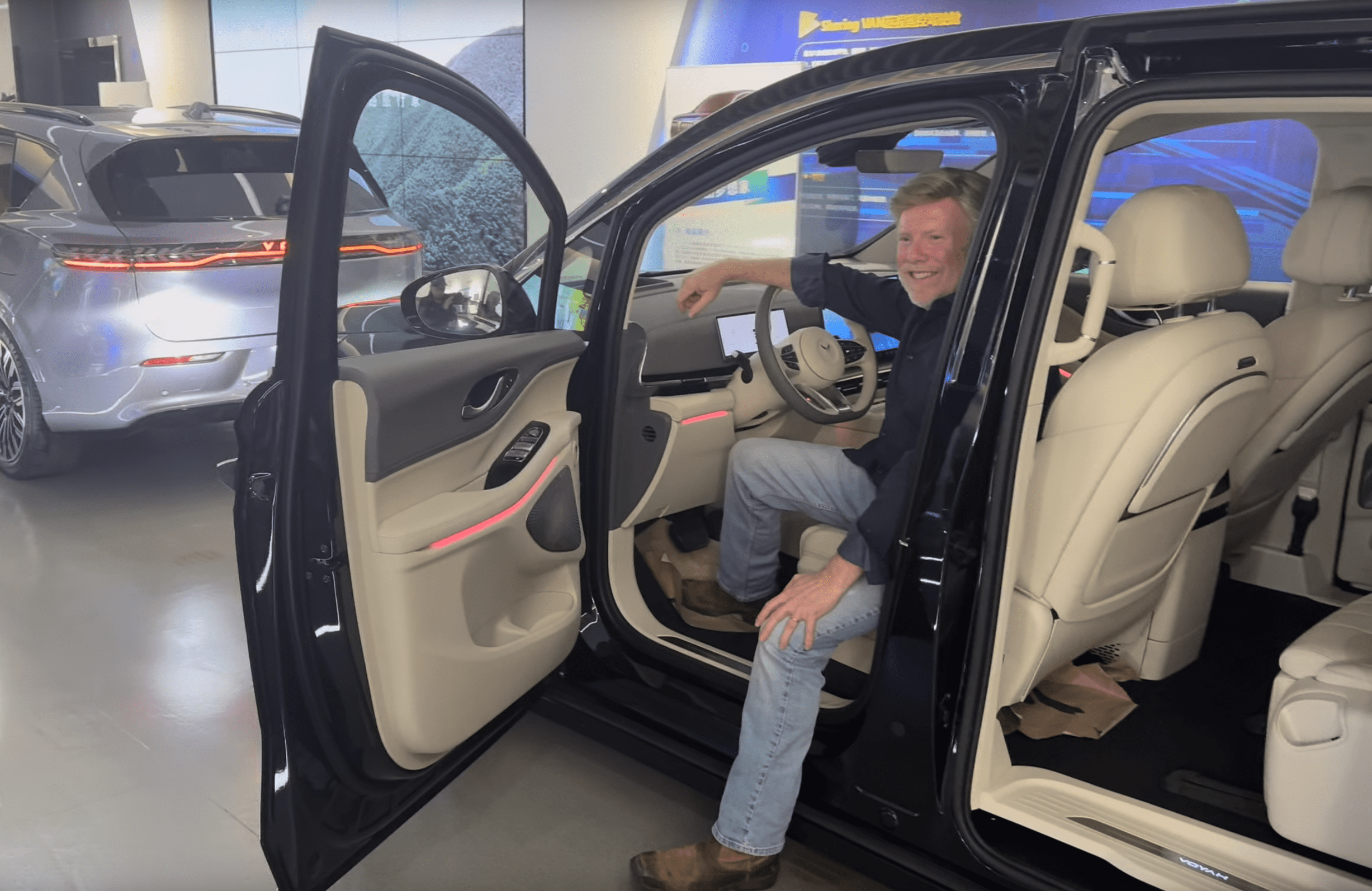
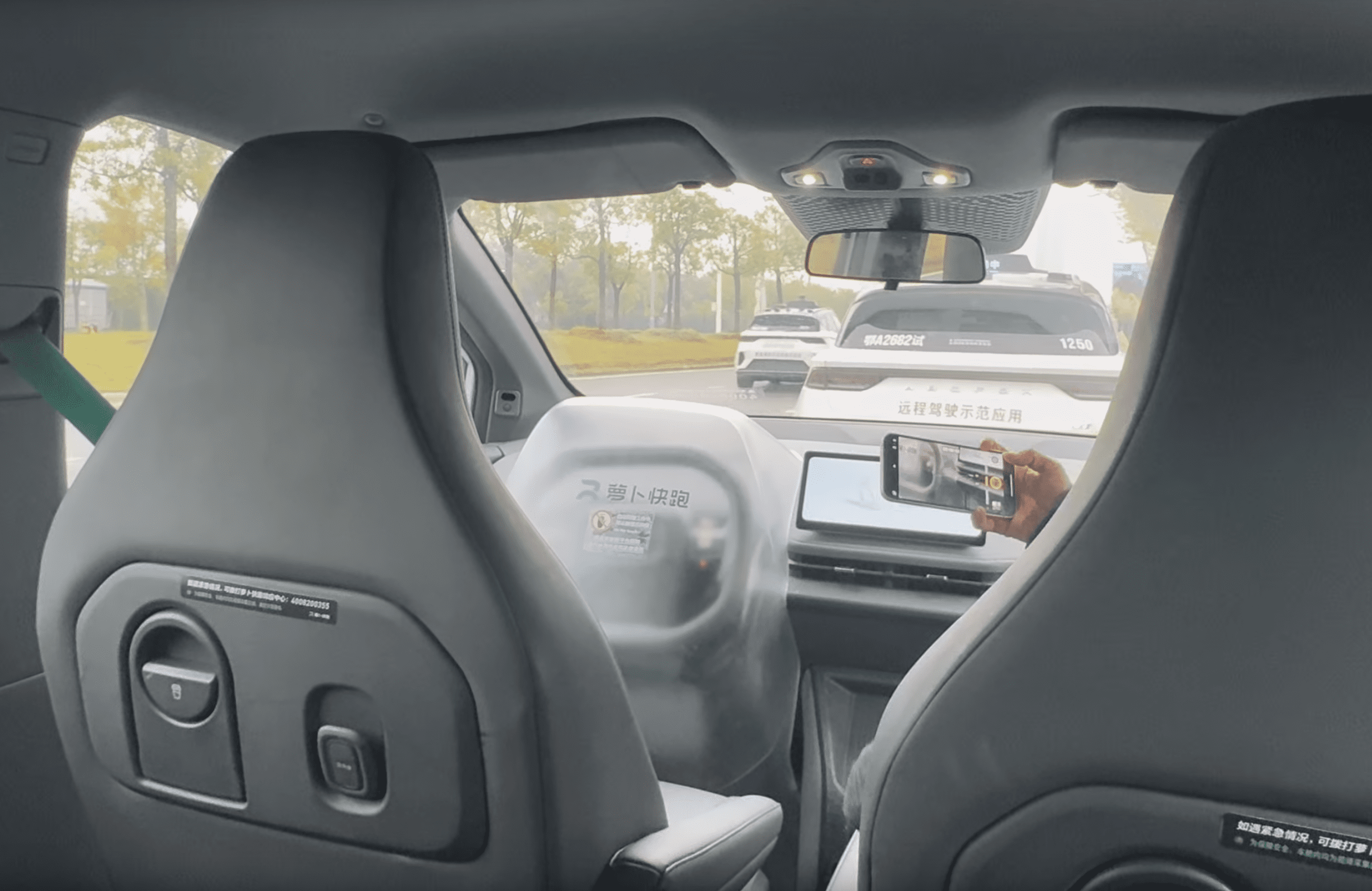
On the delegation’s last day in Wuhan, they visited the Wuhan Economic & Technological Development Zone (WEDZ), where they observed China’s integrated approach to electric vehicles, autonomous driving, and advanced manufacturing. Delegates toured testing facilities and experienced a ride in a driverless taxi, prompting discussion about differences between U.S. and Chinese regulatory environments and the role of local governments in enabling innovation.

Pictured above from left to right: Mayor Gibson poses for a photo in one of the electric vehicles on display; Delegates experience a self-driving car in the Wuhan Economic Technological Development Zone.

October 31st | Xianyang

The delegation’s second-to-last stop was the city of Xianyang in Shaanxi Province, a city of deep historical significance and growing contemporary importance. Once the capital of the Qin Dynasty and a cradle of early Chinese statecraft, Xianyang holds a central place in China’s ancient history, and today serves as a dynamic hub within the Guanzhong Plain, supporting advanced manufacturing, aviation, and regional economic development alongside neighboring Xi’an province.

Xianyang is also the long-standing sister city of Rochester, Minnesota, a relationship established in 1995 and rooted in mutual exchanges focused on healthcare, education, and civic cooperation. The delegation’s visit had a twofold purpose: to reaffirm and renew the Rochester–Xianyang sister city partnership, and to allow other Heartland mayors to observe firsthand how sister city relationships function at the local level, demonstrating their value as practical, people-centered platforms for sustained international engagement. In Xianyang, the delegation’s program combined cultural exchange, healthcare engagement, and city-to-city cooperation.

The visit began with a tour of Xianyang Jingwei Fu Tea Co., Ltd., a leading regional enterprise known for preserving and modernizing the production of traditional Fu brick tea. Delegates learned about the distinctive fermentation process that gives Fu tea its unique character, as well as the company’s role in supporting local agriculture, rural employment, and cultural tourism as part of Xianyang’s broader economic development strategy. The experience was made especially memorable as delegates were invited to participate directly in the production process, having the opportunity to compress a tea brick in the traditional way.

Members of the 2025 Heartland Leaders Delegation pose for a photo with Jingwei Fu Tea Company staff.
Pictured above: Members of the 2025 Heartland Leaders Delegation pose for a photo with Jingwei Fu Tea Company staff.

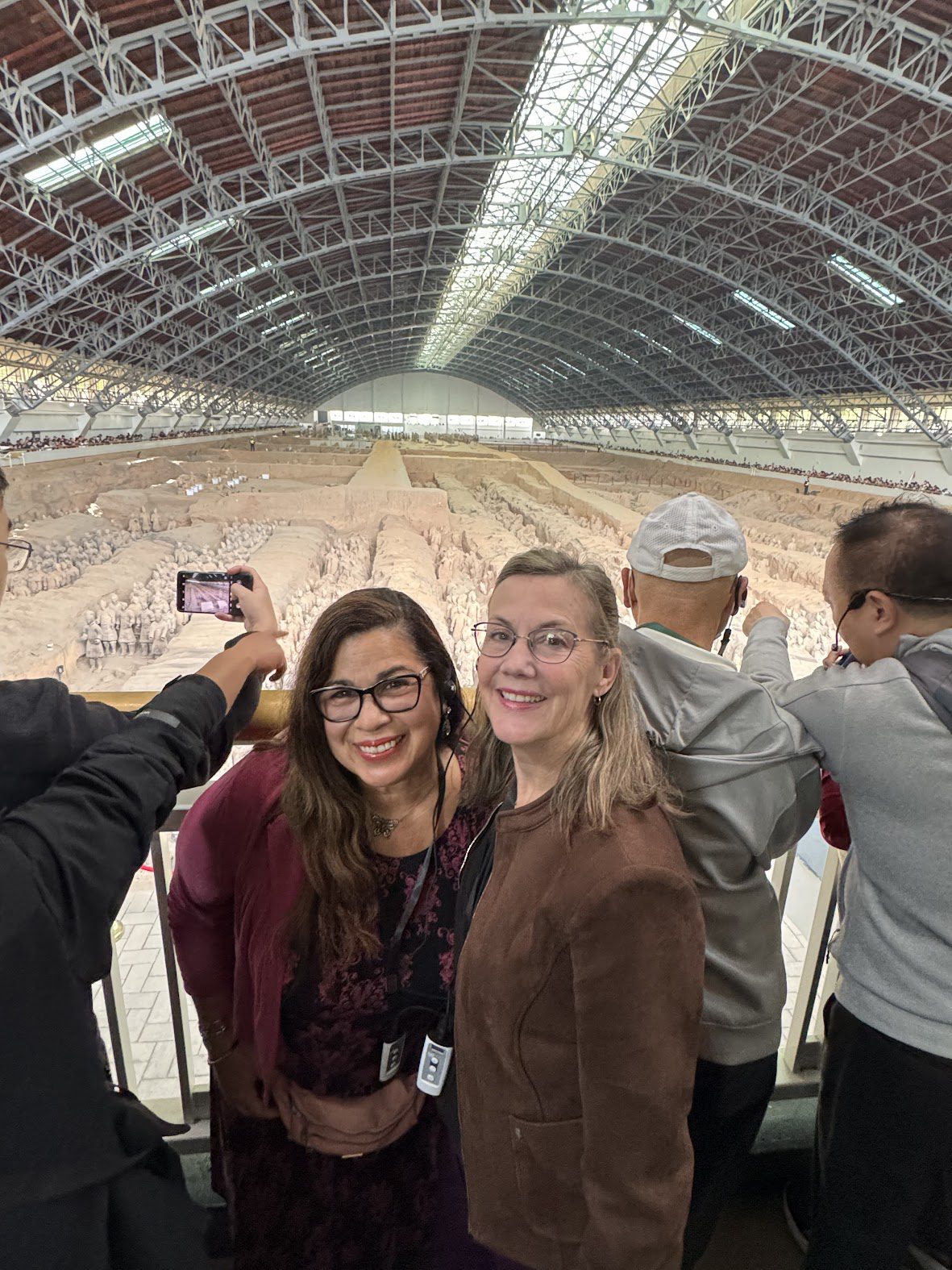
Cultural engagement continued with a visit to The Terracotta Warriors, providing historical context for Shaanxi Province and its role in early Chinese state formation.

Pictured above: Commissioner Erika Sugarman (left) poses with Mayor Kim Norton (right) in front of the Terracotta Warriors exhibit.

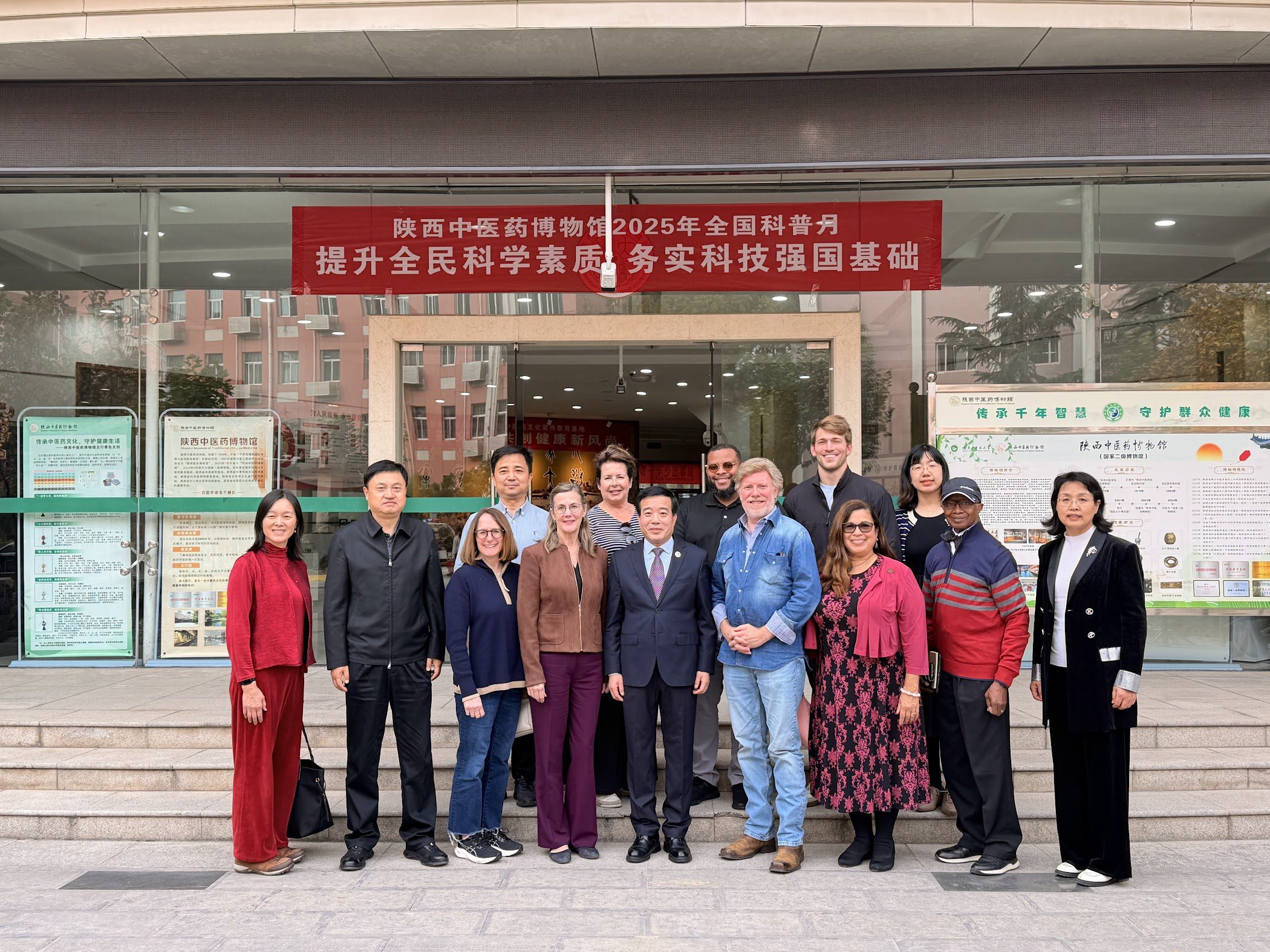
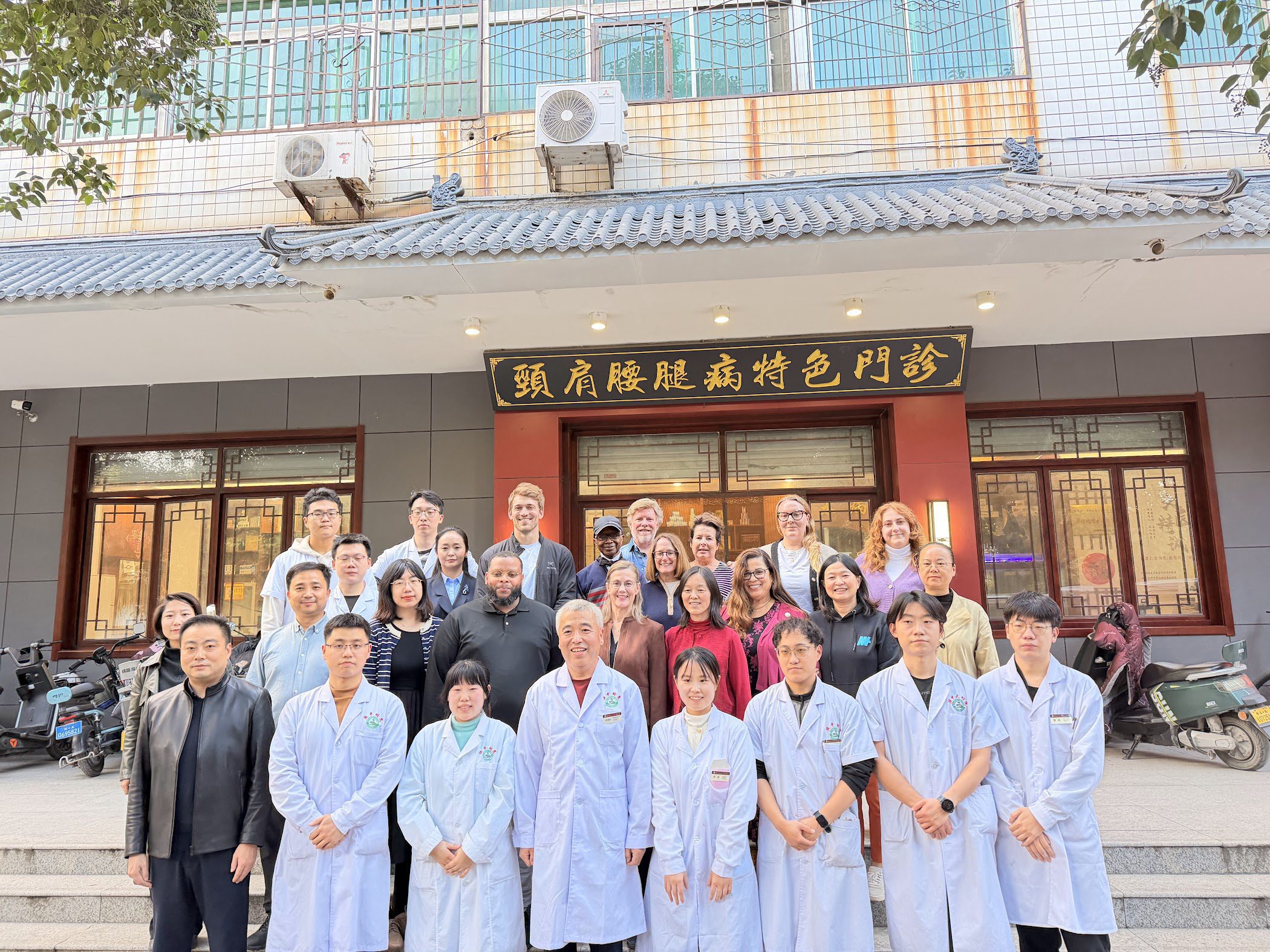
The delegation also visited a traditional Chinese medicine (TCM) hospital, where physicians introduced approaches to preventive care, integrative treatment, and community-based health services that complement China’s broader public health system. The visit highlighted how TCM is incorporated alongside modern clinical practices to support population health, chronic disease management, and wellness-focused care. This exchange closely aligned with Mayor Norton’s goals of expanding healthcare collaboration between Rochester and Xianyang, offering valuable perspectives on complementary medical models and opening avenues for dialogue on research exchange, medical education, and patient-centered innovation that build on Mayo Clinic’s global reputation as a healthcare leader.

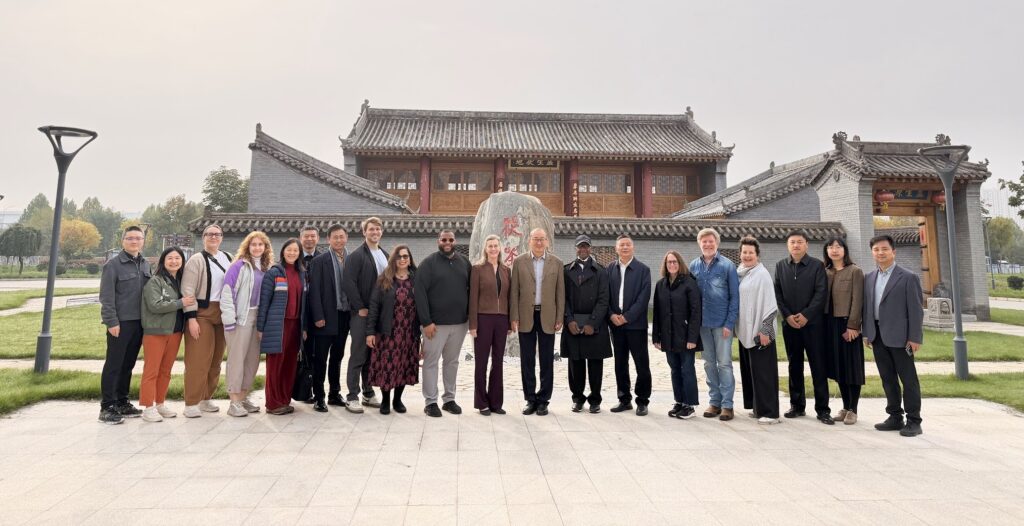
Pictured above from left to right: Members of the 2025 Heartland Leaders Delegation pose for a group photo in front of a TCM museum and a TCM hospital.

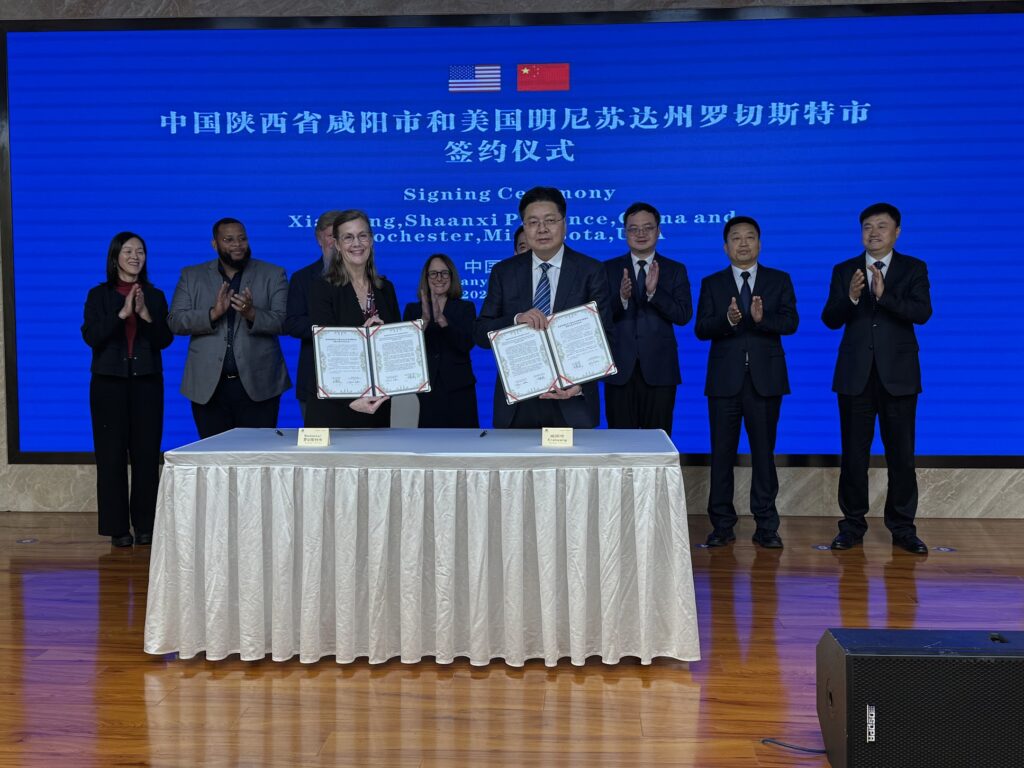
The Xianyang visit concluded with a meeting between the delegation and municipal officials, followed by a signing ceremony formalizing a new memorandum of understanding between the City of Rochester and Xianyang. The renewed memorandum reaffirmed both cities’ shared commitment to “further deepen the sister-city relationship, advance practical cooperation and leverage complementary strengths.” The agreement committed the two cities to “explore areas of common interest and potential collaboration,” including “economic development, trade and investment, education, health, technology, and cultural exchange,” while encouraging ongoing dialogue, experience sharing, and opportunities that support “sustainable and mutually beneficial development.”

It also emphasized people-to-people ties, with both sides agreeing to “encourage partnerships between educational institutions,” promote academic and youth exchanges, and support programs that foster “cross-cultural understanding and friendship between the people of Rochester and Xianyang.” By pledging to “maintain regular communication” and support connections among public institutions, private enterprises, and community organizations, the five-year agreement provided a clear, forward-looking framework for continued collaboration at the local level.

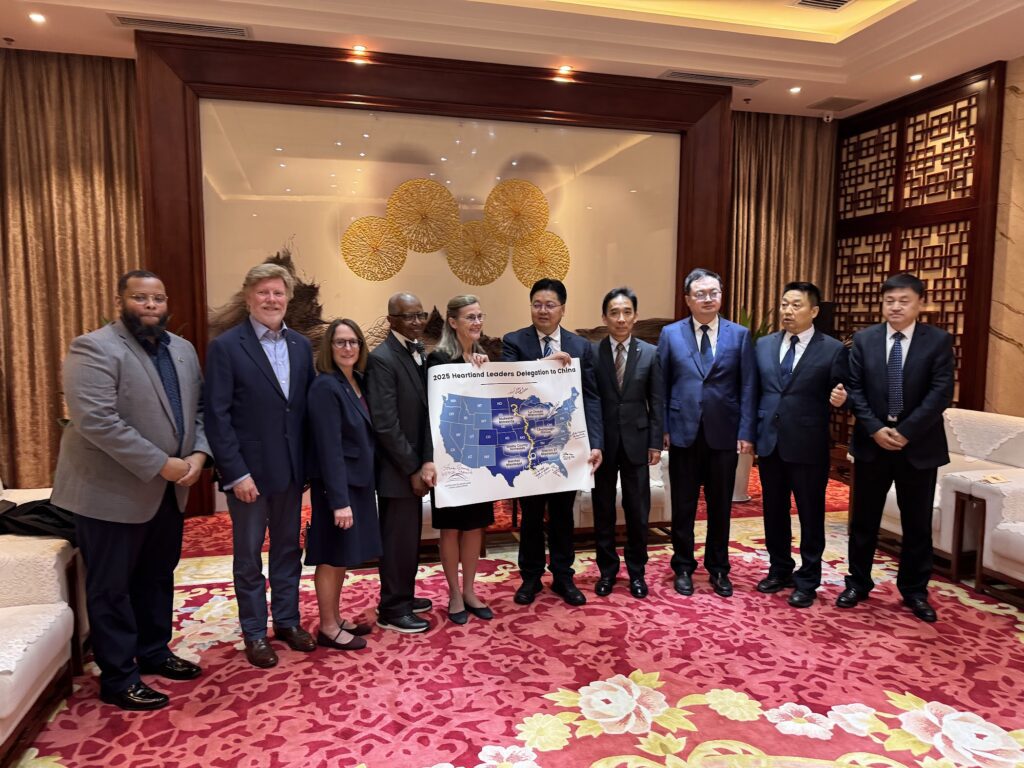
Pictured above: Members of the 2025 Heartland Leaders Delegation present a signed map of the Heartland to the leaders of Xianyang.
Pictured above: Mayor Kim Norton (left) poses alongside leaders of Rochester’s sister city, Xianyang, after signing a Memorandum of Understanding.

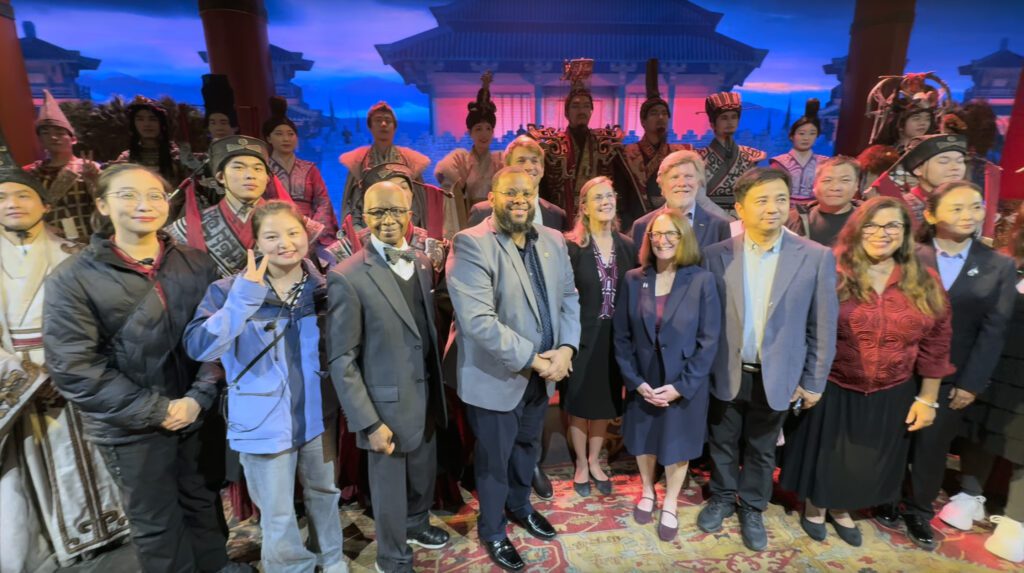
The day ended with attendance at 《赳赳大秦》 (Jiu Jiu Da Qin) / The Great Qin, an immersive historical stage performance in Xi’an depicting the rise of the Qin Dynasty. For the delegation, the combination of institutional exchange and cultural programming underscored how subnational partnerships are strengthened through shared understanding of both contemporary governance and historical identity.

Members of the 2025 Heartland Leaders Delegation pose with performers after watching “The Great Qin.”
Pictured above: Members of the 2025 Heartland Leaders Delegation pose with performers after watching “The Great Qin.”

November 1st - November 2nd | Shanghai

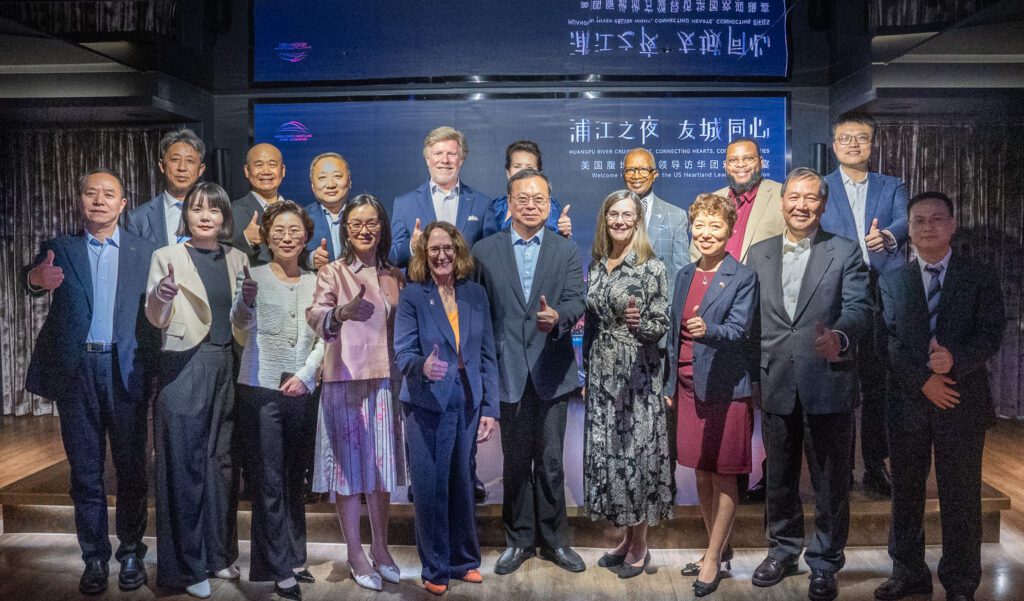
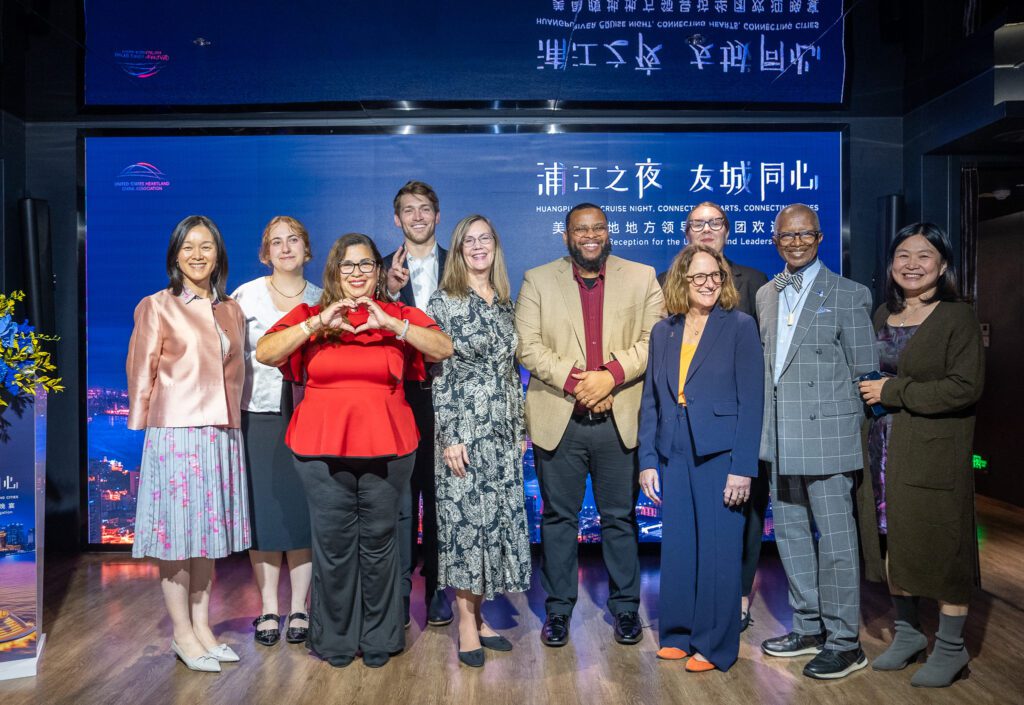
The delegates returned to Shanghai for the final leg of their journey, and on their last evening in-country they attended a special Huangpu River Dinner Cruise and Night Bund Tour. The event, hosted by Gotion, a global clean energy and battery technology company which recently established U.S. operations, brought together the delegation, State of Illinois China Office, AmCham Shanghai representatives, senior representatives from American companies in Shanghai, as well as prominent Shanghai government leaders, providing a fitting final night that highlighted the role of private-sector engagement and subnational dialogue in strengthening U.S.–China economic and civic ties.

Members of the 2025 Heartland Leaders Delegation pose with local Shanghai government officials, Gotion business leaders, Illinois state representatives in China, on the Huangpu River Boat Cruise.
Pictured above: Members of the 2025 Heartland Leaders Delegation pose with local Shanghai government officials, Gotion business leaders, Illinois state representatives in China, on the Huangpu River Boat Cruise.
Members of the 2026 Heartland Leaders Delegation to China pose for a group photo (from left to right: Min Fan, Executive Director of USHCA; Grace Mitchell, Program Associate of USHCA; Erika Sugarmon, Commissioner of Shelby County, Tennessee; Davis Parker, Youth Ambassador; Kim Norton, Mayor of Rochester, Minnesota; Shaundel Washington-Spivey, Mayor of La Crosse, Wisconsin; Deborah Feinen, Mayor of Champaign, Illinois; Ellen Wright, Senior Program Associate of USHCA; Hillman Frazier, Senator of District 27, Mississippi; Tina Tan, Delegation Support.
Pictured above: Members of the 2025 Heartland Leaders Delegation to China pose for a group photo (from left to right: Min Fan, Executive Director of USHCA; Grace Mitchell, Program Associate of USHCA; Erika Sugarmon, Commissioner of Shelby County, Tennessee; Davis Parker, Youth Ambassador; Kim Norton, Mayor of Rochester, Minnesota; Shaundel Washington-Spivey, Mayor of La Crosse, Wisconsin; Deborah Feinen, Mayor of Champaign, Illinois; Ellen Wright, Senior Program Associate of USHCA; Hillman Frazier, Senator of District 27, Mississippi; Tina Tan, Delegation Support.

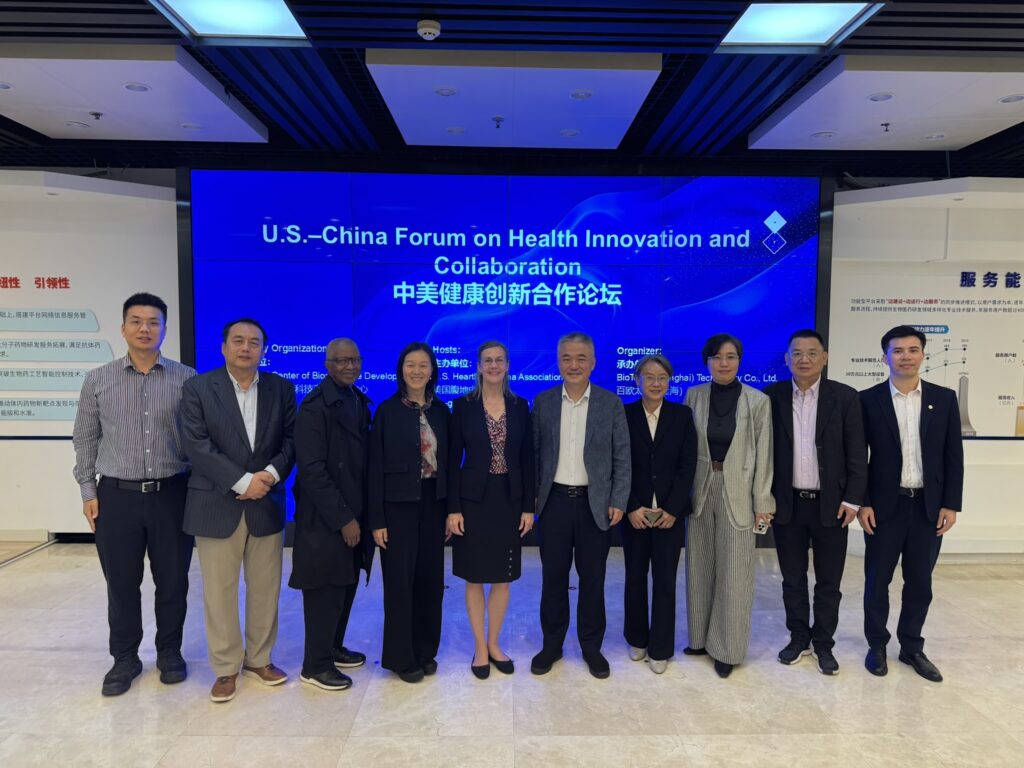
On their last day in China, select members of the delegation participated in the U.S.–China Health Innovation and Collaboration Forum. Partners listed for the forum included the Shanghai Biopharmaceutical Technology Industry Promotion Center and the LinGang Medical Device Innovation Center.

Members of the 2025 Heartland Leaders Delegation pose for a photo in front of the Pearl Tower in Shanghai.
Pictured above: Members of the 2025 Heartland Leaders Delegation pose for a photo in front of the Pearl Tower in Shanghai.

For the remaining delegates, the final day in Shanghai offered an opportunity to explore the city more informally, combining sightseeing with firsthand exposure to everyday urban life. The group visited the historic Yu Garden, experiencing its traditional architecture and bustling markets, before sharing lunch at a neighborhood restaurant. Delegates also rode the Shanghai Metro, gaining insight into the scale and efficiency of public transportation used by millions of residents each day. The afternoon continued along the iconic Shanghai Bund, including a ride through the Bund Sightseeing Tunnel beneath the Huangpu River, and concluded at the base of the Oriental Pearl Tower.

Pictured above: Senator Hillman Frazier (third from left) and Mayor Kim Norton (fifth from left) pose for a photo alongside other attendees of the U.S.-China Forum on Health Innovation and Collaboration.

This ten-day delegation underscored the enduring value of subnational engagement as a stabilizing and productive force in U.S.–China relations. The delegation’s meetings and exchanges coincided with the APEC forum, where Presidents Donald Trump and Xi Jinping were holding high-level discussions. While national leaders set the tone for the bilateral relationship, USHCA’s delegation demonstrated how local and regional actors can also advance constructive engagement on the ground, often operating ahead of, and in support of, the broader national conversations by sustaining dialogue, trust, and cooperation at the community level.

Across Shanghai, Hangzhou, Wuhan, and Xianyang, Heartland leaders moved beyond symbolism to engage in substantive, place-based exchanges on healthcare innovation, environmental stewardship, education, advanced manufacturing, and cultural heritage; areas where local governments are uniquely positioned to deliver tangible outcomes for their communities. By renewing sister-city commitments, strengthening institutional relationships, and fostering people-to-people understanding, the delegation illustrated how cities and regions translate global dynamics into practical cooperation rooted in shared challenges and mutual benefit.

The visit also highlighted the growing recognition among Chinese private-sector leaders of the critical role local relationships play in successful international business development. Engagements with companies such as Nongfu Spring and Gotion underscored how Chinese firms seeking to expand in the United States increasingly prioritize understanding local contexts, workforce needs, regulatory environments, and community expectations in the American Heartland. These conversations reinforced that economic cooperation is not driven solely by national policy, but by sustained dialogue with state and local leaders who shape the conditions for long-term investment and partnership while advancing U.S. interests.

As the Heartland leaders returned home, the relationships forged and renewed during the visit laid a durable foundation for continued collaboration. The delegation reaffirmed the Mississippi–Yangtze connection as a living platform for dialogue, learning, and long-term partnership, demonstrating how locally driven engagement complements national diplomacy and helps anchor the U.S.–China relationship in practical, people-centered cooperation.

In 2026, the Yangtze-Mississippi River Dialogue will return to the United States in the Fall. USHCA plans to host a reciprocal Chinese delegation and continue this important forum for river-to-river exchange and providing the opportunity for U.S. businesses, technology, agriculture and health care to benefit from these relationships.

Leave a Comment

Your email address will not be published. Required fields are marked *

This site uses Akismet to reduce spam. Learn how your comment data is processed.

Scroll to Top